
Incredible Incline Railway Rides You Must Experience in 2026
Introduction
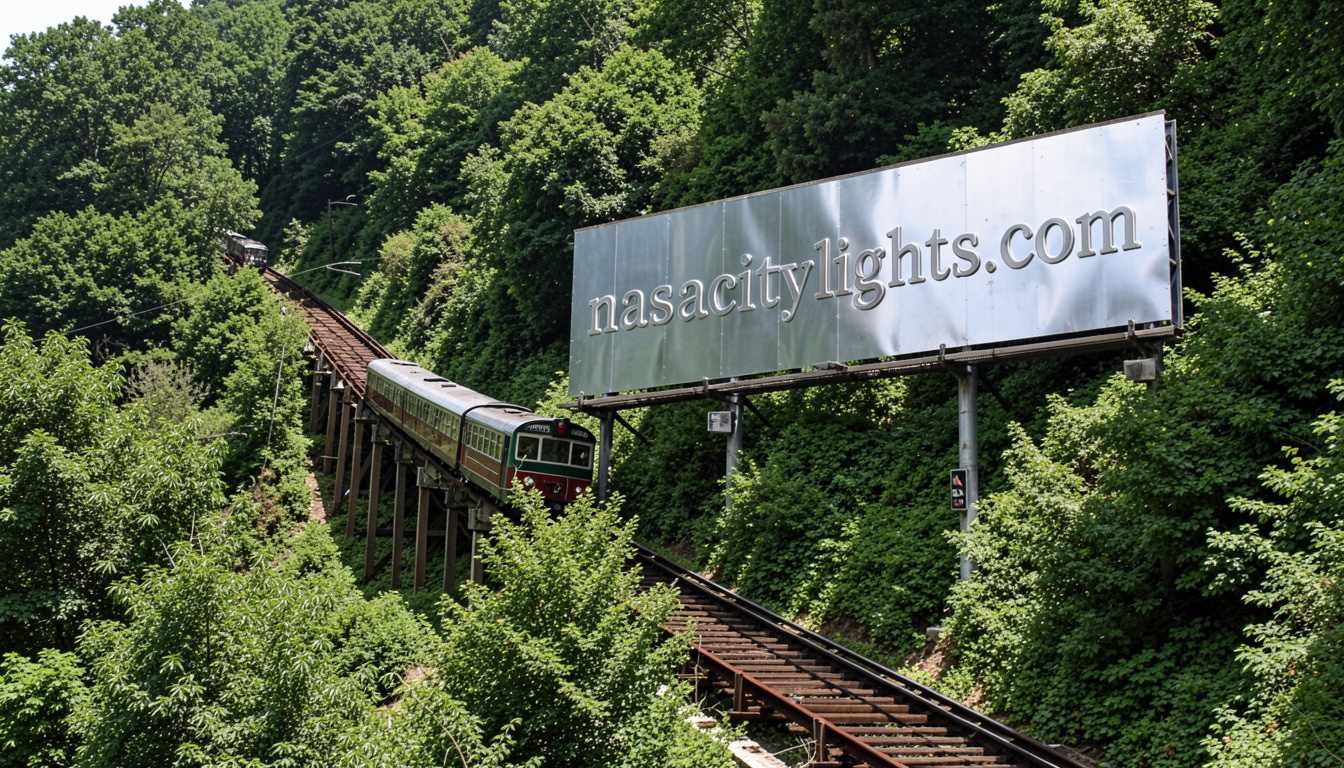
Have you ever stood at the bottom of a steep hill and wished for a faster way up than your own two legs? That is exactly the problem an incline railway solves. This clever transport system carries passengers and cargo up steep slopes using cables, tracks, and a lot of engineering brilliance. Some people call it a funicular, but no matter the name, the experience feels magical every single time.
An incline railway is not just a mode of transport. It is a piece of living history that still serves cities today. From gold rush towns to modern tourist hubs, these railways connect people to places that would otherwise take hours to reach on foot. In this article, you will learn how an incline railway works, where to find the best ones, why they remain so popular, and what makes them safe and reliable even after a century of use.
What Is an Incline Railway
An incline railway is a rail system built on a steep slope. It uses a cable or rope to pull one or two cars up and down the track. Unlike a regular train, it does not rely only on wheels gripping flat ground. Instead, gravity and counterweights do most of the heavy lifting.
Most incline railway systems use two cars connected by a cable. When one car goes up, the other comes down. This balance reduces the energy needed to move passengers, which makes the whole system efficient and eco friendly.
How Does an Incline Railway Work
You might wonder how a train can climb a hill that a car could barely handle. The secret lies in the design.
Here is a simple breakdown of the process:
- A powerful motor at the top or bottom controls the cable system.
- The cable connects two cars that balance each other through weight.
- Tracks are built with a toothed rail or grooved wheels for extra grip.
- Brakes lock automatically if the cable ever loses tension.
This setup allows an incline railway to climb slopes as steep as 45 degrees or more. Compare that to a regular train, which struggles with anything above 4 degrees, and you start to see why this invention was so revolutionary.
A Brief History of the Incline Railway
The first incline railway systems appeared in the 1800s during the industrial boom. Mining towns needed a reliable way to move coal, ore, and workers up steep hillsides. Engineers quickly realized that if the system worked for cargo, it could also carry people.
Cities like Pittsburgh became famous for their incline railway network. At one point, Pittsburgh had over fifteen separate lines running through its hills. Today only two remain, but they still attract thousands of visitors every year.
I find it fascinating that a system built for coal miners has become a beloved tourist attraction. It shows how good engineering never really goes out of style.
Why People Still Love Riding an Incline Railway
You might think a slow moving train up a hill sounds boring. Trust me, it is anything but that.
Riders love an incline railway for several reasons:
- The views are often spectacular, especially in cities built on hills.
- The ride feels nostalgic, like stepping into a different era.
- It offers a break from walking, which is a relief on a hot day.
- Many lines are affordable, making them accessible for families.
- The slow pace lets you actually enjoy the scenery instead of rushing past it.
If you ever visit a city with an incline railway, do not skip it. The short ride often becomes one of the most memorable parts of the trip.
Famous Incline Railway Routes Around the World
Some incline railway systems have become icons in their own right. Here are a few worth knowing about.
Duquesne Incline, Pittsburgh
This historic incline railway has operated since 1877. It gives riders a stunning view of the city skyline and the three rivers below.
Lookout Mountain Incline Railway, Tennessee
Known as one of the steepest passenger railways in the world, this ride climbs a grade of 72.7 percent near the top. It is not for the faint of heart, but the view makes it worth every second.
Katoomba Scenic Railway, Australia
This one holds the record for the steepest incline railway on the planet, reaching a grade of 122 percent. Riders often say the descent feels like a roller coaster more than a train ride.
Is an Incline Railway Safe
Safety is a common concern for first time riders, and it is a fair question. The good news is that an incline railway is one of the safest transport systems in operation.
Modern systems include:
- Automatic braking if cable tension drops.
- Redundant safety cables in case the primary one fails.
- Regular inspections required by transportation authorities.
- Speed limits that keep the ride slow and controlled.
Accidents are extremely rare, and most incline railway lines have operated for decades without a single major incident. That track record speaks for itself.
Incline Railway vs Funicular vs Cable Car
People often mix up these three terms, so let us clear that up quickly.
- An incline railway and a funicular are essentially the same thing, though funicular is more common in Europe.
- A cable car, like the ones in San Francisco, moves along flat or gently sloped streets and grips a moving underground cable.
- A gondola or aerial tramway hangs from a cable in the air instead of running on a track.
Knowing the difference helps you set the right expectations before you book a ride.
Conclusion
An incline railway offers more than just a ride up a hill. It blends history, engineering, and stunning scenery into one short but unforgettable experience. Whether you visit Pittsburgh, Tennessee, or Australia, you will walk away with a new appreciation for this century old invention.
Next time you plan a trip to a hilly city, check if it has an incline railway nearby. Have you ridden one before? Share your experience or let us know which incline railway is on your travel bucket list.
FAQs
What is the purpose of an incline railway?
It moves passengers and goods up and down steep slopes safely and efficiently, saving time and energy compared to walking or driving.
How fast does an incline railway travel?
Most incline railway systems move between 3 and 10 miles per hour, prioritizing safety and scenic views over speed.
Is an incline railway the same as a funicular?
Yes, the terms are often used interchangeably, though funicular is more common in European countries.
Which is the steepest incline railway in the world?
The Katoomba Scenic Railway in Australia holds the record with a grade of 122 percent.
How much does it cost to ride an incline railway?
Prices vary by location, but most rides cost between five and fifteen dollars, making them budget friendly for families.
Are incline railways still used today?
Yes, many cities maintain their incline railway systems as both practical transport and popular tourist attractions.
Can you bring luggage or bikes on an incline railway?
Most systems allow small luggage and bikes, though it is best to check local rules before boarding.
Nasacitylights.com
Email: johanharwen314@gmail.com
Author Name: Hamid Ali
About the Author: Hamid Ali is a travel writer who enjoys exploring the history behind everyday journeys. He has covered transportation stories across three continents and has a soft spot for old fashioned engineering marvels like the incline railway. When he is not writing, he is usually planning his next scenic trip.