
Titanic Iceberg: The Shocking Truth Behind the Tragic Collision

Introduction
You have probably heard the story a hundred times, but do you really know what happened the night the Titanic iceberg changed history forever? On a calm, freezing night in April 1912, one massive block of ice ended the journey of the “unsinkable” ship. This article breaks down the full story of the titanic iceberg collision in simple terms. You will learn how it happened, why warnings were ignored, and what science tells us about that iceberg today. We will also look at survivor accounts, expert opinions, and the lasting lessons this disaster taught the world. By the end, you will understand why this single iceberg remains one of the most talked about objects in maritime history.
What Exactly Happened With The Titanic Iceberg?
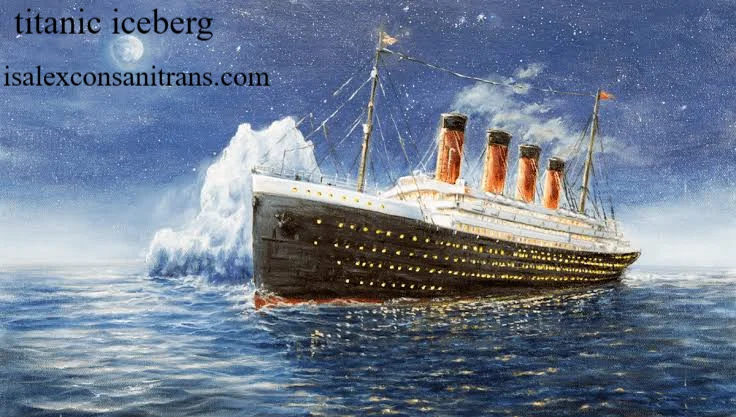
The short answer is this. The Titanic hit an iceberg in the North Atlantic Ocean at 11:40 PM on April 14, 1912. The ship sank less than three hours later, killing over 1,500 people. The titanic iceberg tore a series of gashes along the ship’s hull below the waterline, letting water rush into multiple compartments at once.
The ship was traveling at a high speed of about 22 knots despite receiving several ice warnings earlier that day. Lookouts spotted the iceberg too late for the crew to steer clear completely.
Why Did The Titanic Not See The Iceberg In Time?
You might wonder how such a massive object went unnoticed until it was too close. Here are the main reasons experts point to:
- The sea was unusually calm that night, so there were no waves breaking against the iceberg’s base, which normally helps lookouts spot ice from a distance.
- There was no moonlight, making visibility extremely poor.
- The lookouts did not have binoculars, since the key was reportedly misplaced before departure.
- The ship was moving too fast for the icy conditions of the region.
- Radio operators were busy with passenger messages and did not immediately relay some ice warnings to the bridge.
These small failures combined into one massive tragedy.
How Big Was The Titanic Iceberg?
Historians and researchers estimate the titanic iceberg was around 100 feet tall above the water and stretched between 200 and 400 feet long. Since about 90 percent of an iceberg sits underwater, the true size was far larger than what the crew could see on the surface.
| Feature | Estimated Measurement |
|---|---|
| Height above water | About 100 feet |
| Length | 200 to 400 feet |
| Age (estimated) | Thousands of years old |
| Origin | Greenland glaciers |
| Visible portion | Roughly 10 percent |
This table shows why the iceberg was so dangerous. What looked like a modest ice formation on the surface hid a much bigger threat below.
What Type Of Iceberg Sank The Titanic?
Research suggests the titanic iceberg was a “black iceberg,” a rare type formed when a glacier flips over in the ocean. This kind of iceberg appears darker because its underside, which contains rock and sediment, faces upward. This may explain why the ship’s lookouts had such a hard time spotting it against the dark night sky.
Expert Opinions On The Titanic Iceberg Collision
Marine historians and oceanographers have studied this event for over a century. Many agree on a few key points.
- The ship’s steel plates were more brittle in freezing temperatures, which made the impact more damaging.
- The rivets holding the hull together were weaker than modern standards, causing them to pop under pressure.
- Captain Edward Smith’s decision to maintain speed despite ice warnings is widely seen as a critical error.
Naval architects who examined wreckage samples found that the metal used had higher sulfur content, making it more likely to crack in cold water. This scientific detail adds real weight to why the titanic iceberg caused such catastrophic damage compared to a typical collision.
Statistics That Still Shock People Today
Numbers often tell the story better than words. Here are some hard facts about the disaster caused by the titanic iceberg.
- Over 1,500 people died, making it one of the deadliest peacetime maritime disasters in history.
- The ship sank in only two hours and forty minutes.
- Water temperature was around 28 degrees Fahrenheit, cold enough to cause death within minutes.
- There were lifeboats for only about half the passengers on board.
- The wreck was not discovered until 1985, over seventy years later.
Where Is The Titanic Iceberg Now?
This is a common question people search for. The direct answer is simple. Icebergs melt and drift, so the exact iceberg the Titanic struck disappeared into the ocean long ago, likely within weeks or months of the collision. Photographs taken by other ships shortly after the sinking are believed to show the same iceberg, based on its size, shape, and location, but there is no way to confirm this with complete certainty.
Lessons Learned From The Titanic Iceberg Disaster
I find it fascinating how one event reshaped global safety standards. After the tragedy, several major changes took place across the shipping industry.
- The International Ice Patrol was created to monitor iceberg activity in shipping lanes.
- Ships were required to carry enough lifeboats for every passenger and crew member.
- Radio communication rules became stricter, requiring 24 hour monitoring.
- Hull design and material standards improved significantly.
These changes came from painful lessons, but they made ocean travel far safer for everyone who followed.
Fresh Research And Modern Studies
Recent studies using sonar mapping and underwater drones continue to reveal new details about the wreck site and the surrounding ice conditions of that era. Climate scientists have also used historical ice records from 1912 to study how iceberg patterns have shifted due to changing ocean temperatures. This ongoing research keeps the story of the titanic iceberg relevant even today, more than a century later.
Conclusion
The story of the titanic iceberg is not just about a famous shipwreck. It is a reminder of how small decisions, human error, and natural forces can combine into massive consequences. From the calm sea that hid the danger to the missing binoculars and high speed, every detail played a role in one of history’s most unforgettable tragedies. What do you think could have changed the outcome that night? Share your thoughts, and if you found this article helpful, pass it along to someone who loves history as much as you do.
Frequently Asked Questions
What time did the Titanic hit the iceberg? The Titanic struck the iceberg at 11:40 PM on April 14, 1912.
How long did it take the Titanic to sink after hitting the iceberg? It took approximately two hours and forty minutes for the ship to sink completely.
Was the iceberg visible before the collision? Lookouts spotted it only about 37 seconds before impact, leaving almost no time to react.
Why couldn’t the Titanic avoid the iceberg? The ship was moving too fast, had no binoculars for lookouts, and the calm sea made the iceberg harder to detect.
How tall was the Titanic iceberg? It stood roughly 100 feet above the water’s surface.
Did anyone photograph the actual iceberg? Yes, several ships in the area took photos of icebergs shortly after the sinking that are believed to match its description.
Could the Titanic iceberg tragedy happen again today? Modern radar, satellite tracking, and the International Ice Patrol make a similar disaster far less likely today.
What caused the Titanic to sink so quickly? The iceberg damaged multiple watertight compartments at once, letting them fill with water faster than the ship could handle.
nasacitylights.com
Author Name: Hamid Ali
Email: johanharwen314@gmail.com
About The Author: Hamid Ali is a history writer who enjoys researching real world events and turning them into simple, engaging stories for everyday readers. He focuses on making complex historical topics easy to understand for people of all backgrounds.