
How Green Technology Helps Climate Change: The Powerful Solution That Is Winning Against Climate Change
Introduction
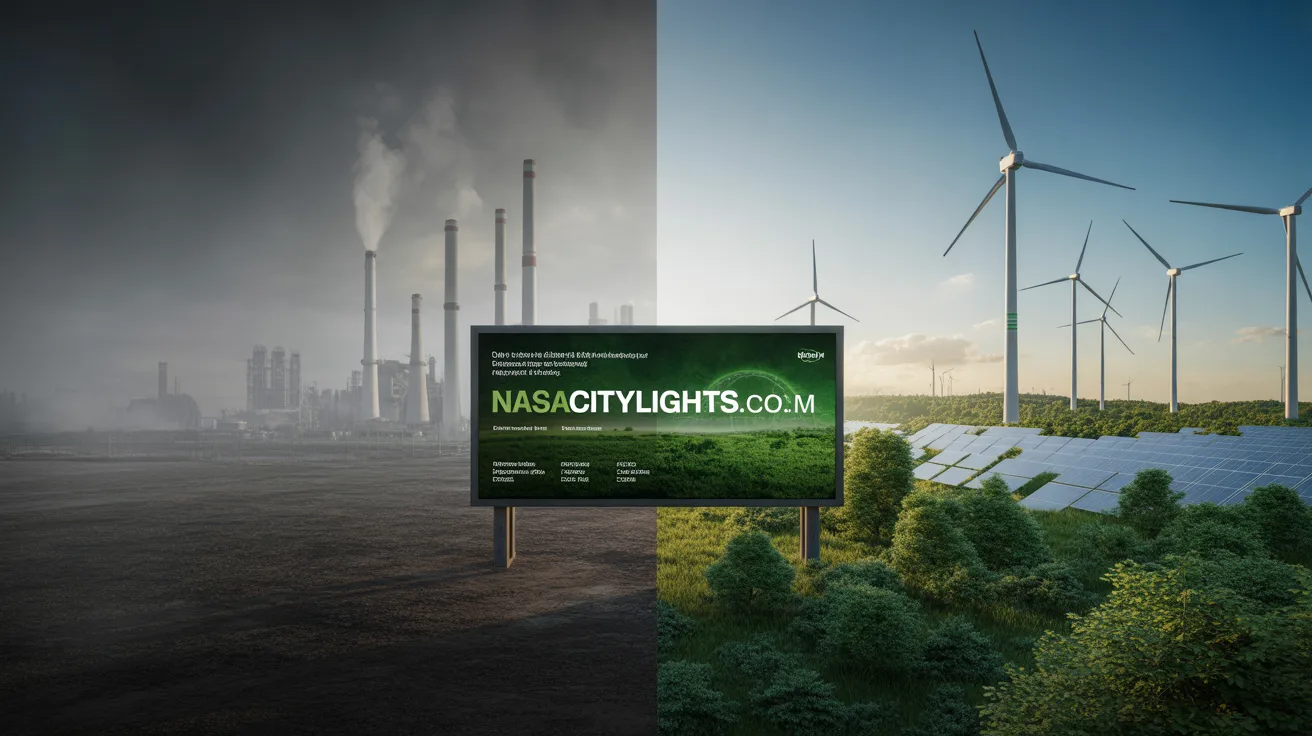
How Green Technology Helps Climate Change. You can feel it in record-breaking summers, unpredictable floods, and wildfire smoke that darkens entire cities. The planet is sending a clear message, and the world is finally listening.
Green technology is at the center of that response. From the solar panels on your neighbor’s roof to wind farms powering entire cities, green technology is actively reshaping how we produce energy, grow food, build homes, and move through our daily lives.
This article walks you through exactly how green technology helps fight climate change. You will learn about the most impactful innovations, why they work, what the numbers say, and what the future holds. Whether you are a curious reader or someone who wants to make smarter choices, this guide gives you the full picture.
Let us get into it.
What Is Green Technology, and Why Does It Matter?
Green technology, often called clean tech or environmental technology, refers to any product, service, or process that uses fewer natural resources, reduces pollution, or minimizes environmental damage. It covers a wide range of sectors including energy, transportation, agriculture, construction, and waste management.
The reason it matters so much right now is simple. Human activity has pushed atmospheric carbon dioxide levels to over 420 parts per million, the highest in recorded history. Global temperatures have already risen by about 1.1 degrees Celsius above pre-industrial levels. Scientists warn that we have a narrow window to prevent the worst outcomes.
Green technology is one of the most realistic paths forward. It works within existing economic systems. It creates jobs. It makes financial sense in the long run. And most importantly, it directly reduces the greenhouse gas emissions that drive climate change.
How Green Technology Helps Climate Change: Reduces Carbon Emissions
Renewable Energy Replaces Fossil Fuels
The biggest source of global greenhouse gas emissions is the energy sector. Burning coal, oil, and natural gas to generate electricity and heat accounts for roughly 73 percent of all human-caused emissions.
Renewable energy technologies directly attack this problem. Solar power, wind energy, hydropower, and geothermal energy generate electricity without burning anything. They produce little to no emissions during operation.
Here is what the data tells us. In 2023, renewable energy sources generated about 30 percent of the world’s electricity. Solar capacity alone grew by a record 268 gigawatts in that year. Wind energy now powers more than 2 billion homes worldwide.
The cost of solar panels has dropped by more than 89 percent over the past decade. Wind energy costs have fallen by nearly 70 percent. These are not just environmental wins. They are economic ones too.
When you install solar panels on your home, you reduce your reliance on fossil fuels. When governments invest in offshore wind farms, they replace coal plants. Every kilowatt of renewable energy generated pushes the fossil fuel industry one step closer to irrelevance.
Energy Storage Solves the Intermittency Problem
One challenge with solar and wind energy is that they are not always available. The sun does not shine at night. The wind does not always blow. For a long time, this was a major argument against renewables.
Battery technology changed that argument. Modern lithium-ion batteries, and newer solid-state batteries, can store large amounts of renewable energy and release it when needed. Grid-scale battery storage projects are now operating across the United States, Europe, and Asia.
Tesla’s Megapack, for example, stores enough energy to power thousands of homes for hours. Utility companies are investing billions in these systems. The global battery storage market is expected to grow from around 45 gigawatt-hours in 2022 to over 400 gigawatt-hours by 2030.
This means renewable energy is becoming more reliable, not less. And the more reliable it becomes, the more it can replace fossil fuels at scale. Nasacitylights
Green Transportation Is Cleaning Up One of the Dirtiest Sectors
Transportation is the second largest source of greenhouse gas emissions globally. Cars, trucks, planes, and ships run almost entirely on fossil fuels. Electric vehicles are changing that.
Electric Vehicles and Their Growing Impact
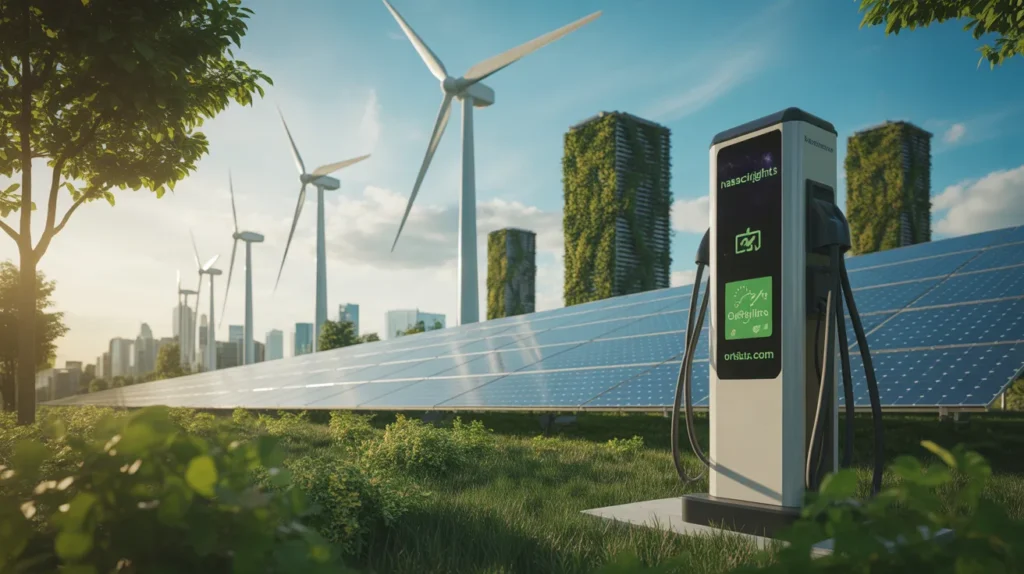
Electric vehicles produce zero direct emissions. When charged with renewable energy, their total carbon footprint shrinks dramatically compared to gasoline-powered cars.
The numbers here are encouraging. Global EV sales passed 14 million units in 2023, a record high. Electric vehicles now make up about 18 percent of all new car sales worldwide. Countries like Norway lead the way, with EVs representing over 90 percent of new car purchases.
Beyond passenger cars, electric buses, electric delivery vans, and even electric ferries are entering service around the world. Cities that switch their public bus fleets to electric report major reductions in urban air pollution and carbon emissions.
You might wonder whether EVs are truly green when you factor in battery production. Independent lifecycle analyses consistently show that even in regions powered partly by coal, electric vehicles produce significantly fewer emissions over their lifetime than gasoline vehicles. And as the grid gets cleaner, EVs get cleaner too.
Public Transit and Smart Urban Mobility
Electric vehicles are part of the solution, but green technology also supports smarter city design. Efficient public transit systems, electric rail networks, bike-sharing programs, and walkable urban planning all reduce the number of car trips people need to take.
Cities like Amsterdam, Copenhagen, and Singapore invest heavily in integrated transport systems. The result is lower emissions, less congestion, and healthier populations. Green urban planning is a form of climate technology too, even if it does not always get the headlines.
Green Buildings Cut Energy Waste at the Source
Buildings account for about 40 percent of global energy consumption. Most of that energy goes to heating, cooling, lighting, and running appliances. Much of it is wasted through poor insulation, inefficient systems, and outdated designs.
Smart Building Technology
Green building technology includes better insulation materials, triple-glazed windows, smart thermostats, LED lighting systems, and building energy management software. These tools do not just reduce emissions. They cut energy bills significantly.
The WELL Building Standard and LEED certification programs push architects and developers to design structures that use energy efficiently from the ground up. Green-certified buildings use an average of 25 to 30 percent less energy than conventional buildings.
Smart thermostats like Nest or Ecobee learn your habits and adjust temperatures automatically to avoid heating or cooling empty rooms. This single device, at scale across millions of homes, represents a meaningful reduction in energy waste.
Passive House Design and Net-Zero Buildings
Passive house design takes energy efficiency even further. These buildings are constructed to maintain comfortable temperatures with minimal mechanical heating or cooling. Thick insulation, airtight construction, and strategic window placement do most of the work.
Net-zero buildings go one step further. They produce as much energy as they consume, usually through rooftop solar panels. Entire net-zero neighborhoods now exist in Germany, the UK, and the United States.
When you build smarter, you emit less. It is that straightforward.
Sustainable Agriculture Feeds the World Without Destroying It
Agriculture is responsible for around 10 to 12 percent of global greenhouse gas emissions. Conventional farming relies on synthetic fertilizers made from fossil fuels, heavy machinery, land clearing, and livestock that produce methane.
Green agricultural technology is reimagining how we grow food.
Precision Farming Reduces Waste
Precision agriculture uses sensors, drones, satellite imagery, and artificial intelligence to help farmers use exactly the right amount of water, fertilizer, and pesticide. Nothing more, nothing less.
This approach reduces the runoff of nitrogen fertilizers, which release nitrous oxide, a greenhouse gas 265 times more potent than carbon dioxide. It also conserves water and improves crop yields, making it economically attractive for farmers.
Companies like John Deere and smaller agtech startups are deploying these tools globally. In regions that have adopted precision farming, fertilizer use has dropped by as much as 20 percent while crop output has held steady or improved.
Vertical Farming and Controlled Environment Agriculture
Vertical farms grow crops indoors in stacked layers under LED lights. They use up to 95 percent less water than traditional farms, require no pesticides, and can be built close to cities to reduce transportation emissions.
While energy-intensive, vertical farms powered by renewable electricity can produce food with a very small carbon footprint. Companies like AeroFarms and Bowery Farming are scaling these systems rapidly.
Reducing Food Waste Through Technology
About one-third of all food produced globally is lost or wasted. Food waste generates methane as it decomposes in landfills. Smart packaging, cold chain monitoring, AI-powered demand forecasting, and food redistribution apps all help reduce this waste.
Less waste means less rotting food, less methane, and fewer resources spent growing food that nobody eats.
Carbon Capture and Industrial Green Technologies
Even with aggressive emission cuts, the world may need technologies that remove carbon dioxide from the atmosphere. Carbon capture and storage technology does exactly that.
Direct Air Capture
Direct air capture machines pull carbon dioxide directly from the atmosphere and store it underground or convert it into useful materials. Companies like Climeworks in Iceland operate the world’s first commercial direct air capture plant.
The technology is still expensive, at roughly 300 to 1,000 dollars per tonne of carbon removed. But costs are dropping fast, just as solar and wind costs did. With investment and scale, direct air capture could become a significant tool in the climate toolkit.
Green Hydrogen
Green hydrogen is produced by splitting water into hydrogen and oxygen using electricity from renewable sources. It can replace fossil fuels in industrial processes like steel production and cement manufacturing, sectors that are very hard to electrify directly.
The European Union, Japan, South Korea, and Australia are investing heavily in green hydrogen infrastructure. If it scales up, green hydrogen could eliminate emissions from some of the most carbon-intensive industries on earth.
Circular Economy Technologies
Green technology also includes the shift from a linear economy, where products are made, used, and thrown away, to a circular one, where materials are reused, repaired, and recycled. Advanced recycling technologies, materials designed for disassembly, and digital product passports that track materials through supply chains all support this transition.
Less waste means less mining, less manufacturing emissions, and a smaller overall footprint.
The Economic Case for Green Technology
Some people worry that fighting climate change through green technology is too expensive. The data tells a very different story.
The International Renewable Energy Agency estimates that the clean energy transition could create 38 million jobs by 2030. The renewable energy sector already employs more than 13 million people globally.
Solar and wind energy are now the cheapest sources of new electricity generation in most of the world. Investing in energy efficiency returns dollars saved for every dollar spent. Electric vehicles have lower lifetime operating costs than gasoline vehicles.
The economic case is not just about avoiding future climate damage, which itself runs into trillions of dollars. Green technology is already a growth industry that is creating wealth and employment today.
What You Can Do Right Now
You do not have to be a policymaker or engineer to support green technology. Here are practical steps you can take.
- Switch to a renewable energy provider or install solar panels if you own your home.
- Consider an electric vehicle for your next car purchase.
- Install a smart thermostat and improve your home’s insulation.
- Reduce food waste by meal planning and using apps that track expiry dates.
- Support companies and politicians that invest in clean energy and climate solutions.
- Educate yourself and others, because awareness drives action.
Every decision you make sends a market signal. When consumers choose green products, businesses respond. When voters prioritize climate policy, governments act.
The Future of Green Technology
The pace of green innovation is accelerating. Perovskite solar cells promise even cheaper and more efficient solar panels. Solid-state batteries could double the range of electric vehicles. Lab-grown meat could transform the livestock industry. AI is being used to design new materials, optimize energy grids, and predict climate patterns with greater accuracy.
The next decade will likely see breakthroughs we can barely imagine today, just as we could not have imagined in 2010 that solar would become the cheapest electricity in history by 2020.
The challenge is not a lack of technology. It is a lack of speed and scale. Deploying green technology fast enough, in enough places, is the defining challenge of this generation.
Conclusion
Green technology is not a distant hope. It is here, it is working, and it is growing fast. From solar panels and electric vehicles to precision farming and green hydrogen, these tools are already reducing emissions, creating jobs, and building a cleaner economy.
Climate change is a serious problem, but it is not an unsolvable one. The solutions exist. What we need now is the will to deploy them at scale.
What green technology are you most excited about? Share this article with someone who needs to hear that real progress is being made. The more people understand what is possible, the stronger the push for the future we actually want.
Frequently Asked Questions
1. What is green technology in simple terms? Green technology refers to tools, systems, and processes designed to reduce environmental harm. It includes solar panels, wind turbines, electric vehicles, energy-efficient buildings, and sustainable farming methods.
2. How does green technology help reduce climate change? Green technology reduces the greenhouse gas emissions that cause climate change. It replaces fossil fuels with clean energy, improves energy efficiency, and cuts emissions from transportation, agriculture, and industry.
3. Is green technology expensive? Green technology has become much more affordable in recent years. Solar and wind energy are now cheaper than coal in most markets. Electric vehicles and energy-efficient appliances save money over their lifetimes.
4. What are the most important types of green technology today? The most impactful types include solar energy, wind energy, battery storage, electric vehicles, green buildings, precision agriculture, and carbon capture technology.
5. Can green technology alone solve climate change? Green technology is essential, but it works best alongside policy changes, behavioral shifts, and investment in research. No single solution can solve climate change alone, but green technology forms the backbone of every credible solution pathway.
6. How fast is the green technology sector growing? The sector is growing rapidly. Renewable energy capacity is expanding by record amounts each year. Electric vehicle sales are doubling roughly every two to three years. The global clean energy market is projected to reach several trillion dollars by 2030.
7. Does green technology create jobs? Yes. The renewable energy and clean tech sectors already employ over 13 million people worldwide, and that number is expected to grow significantly over the next decade.
8. What is the role of green hydrogen in fighting climate change? Green hydrogen can replace fossil fuels in industrial processes like steel and cement production that are very difficult to electrify. It is produced using renewable energy and emits no carbon dioxide.
9. How does precision agriculture help the environment? Precision agriculture reduces the use of fertilizers, pesticides, and water by applying them only where needed. This lowers emissions from chemical production and reduces runoff that harms ecosystems.
10. What can individuals do to support green technology? You can install solar panels, buy an electric vehicle, reduce energy waste at home, choose companies committed to sustainability, and advocate for clean energy policies in your community.
Read More…
Author Bio
Sarah Mitchell is an environmental journalist and sustainability researcher with over a decade of experience covering clean energy, climate policy, and green innovation. She has written for leading publications on topics ranging from solar energy economics to urban climate resilience. Sarah holds a degree in Environmental Science and is passionate about making complex climate topics accessible to everyday readers.