
Chemical Equation for Photosynthesis: Simple, Not Scary
Introduction
Have you ever looked at a plant and wondered how it turns sunlight into food? That question has a clear answer, and it lives inside one simple formula. The chemical equation for photosynthesis explains exactly how plants build sugar out of sunlight, water, and air. It sounds technical, but once you see it broken down, you will find it is easier than most school lessons made it feel.
In this article, you will learn what the chemical equation for photosynthesis actually means, how each part of it works, and why scientists consider it one of the most important formulas on Earth. We will also compare it with respiration, share real numbers and expert views, and answer the questions people search for most often. By the end, you will be able to explain this equation to anyone, even someone who has never taken a biology class.
What Is the Chemical Equation for Photosynthesis?
The chemical equation for photosynthesis is the short scientific formula that shows how plants make their own food. It captures a process that keeps almost all life on this planet running.
Here is the balanced version scientists use worldwide:
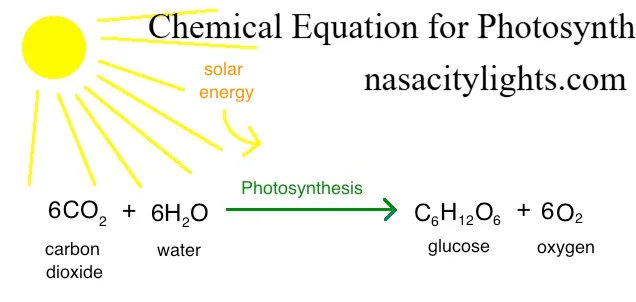
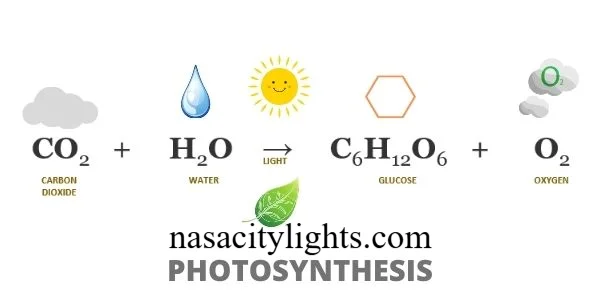
6CO2 + 6H2O + light energy → C6H12O6 + 6O2
In plain words, six molecules of carbon dioxide combine with six molecules of water. With help from sunlight, they turn into one molecule of glucose and six molecules of oxygen. That oxygen is the same air you breathe right now.
The Word Equation for Photosynthesis
Before you deal with numbers and symbols, it helps to see the same idea written in everyday words.
Carbon dioxide + water + light energy → glucose + oxygen
This word version is often the first thing students learn. It gives you the full picture before you move to the balanced chemical equation for photosynthesis with numbers and formulas.
Breaking Down Each Part of the Equation
Every symbol in this formula stands for something real. Let us break it apart piece by piece so nothing feels confusing.
- CO2 stands for carbon dioxide, a gas plants pull from the air through tiny pores called stomata.
- H2O stands for water, which roots absorb from the soil and send up through the stem.
- Light energy comes from the sun and powers the entire reaction inside the leaf.
- C6H12O6 stands for glucose, a simple sugar the plant uses for energy and growth.
- O2 stands for oxygen, released back into the air as a byproduct.
You can see why this formula matters so much. It is not just chemistry on paper. It is the reason forests produce fresh air and the reason food chains exist at all.
Where Does This Reaction Actually Happen?
The chemical equation for photosynthesis takes place inside tiny structures called chloroplasts, found mainly in leaf cells. Chloroplasts contain a green pigment called chlorophyll, which absorbs sunlight and starts the whole reaction.
Photosynthesis happens in two connected stages.
- Light dependent reactions: Sunlight splits water molecules and releases oxygen. This stage also produces energy carriers the plant needs for the next step.
- Light independent reactions: Also called the Calvin cycle, this stage uses that stored energy along with carbon dioxide to build glucose.
Both stages together complete the full chemical equation for photosynthesis, turning simple raw materials into food and oxygen.
Photosynthesis Equation vs Cellular Respiration
Many students mix up photosynthesis with respiration because the two processes look like mirror images of each other. A quick table makes the difference obvious.
| Feature | Photosynthesis | Cellular Respiration |
|---|---|---|
| Main equation | 6CO2 + 6H2O + light → C6H12O6 + 6O2 | C6H12O6 + 6O2 → 6CO2 + 6H2O + energy |
| Where it happens | Chloroplasts | Mitochondria |
| Energy involved | Absorbs sunlight | Releases stored energy |
| Main output | Glucose and oxygen | Carbon dioxide, water, and usable energy |
| Organisms involved | Plants, algae, some bacteria | Almost all living organisms |
Photosynthesis builds energy rich molecules, while respiration breaks them down again. Together, these two reactions keep the planet’s carbon and oxygen cycle balanced.
Why the Chemical Equation for Photosynthesis Matters So Much
This tiny formula supports nearly every food chain on Earth. Without it, there would be no oxygen for animals to breathe and no sugar for plants to grow.
Consider these numbers.
- Plants and algae produce roughly half of the oxygen in the atmosphere.
- A single large tree can release enough oxygen for two people every single day.
- Global plant life absorbs billions of tons of carbon dioxide each year, helping slow down climate change.
I find it fascinating that something so small, a single leaf cell, plays such a massive role in keeping the entire planet breathable. Every time you see a garden or a forest, you are looking at millions of copies of this equation running at once.
Common Mistakes People Make With This Equation
Even experienced students slip up when writing the chemical equation for photosynthesis. Watch out for these common errors.
- Forgetting to balance the number of atoms on both sides.
- Mixing up the reactants and products, especially oxygen and carbon dioxide.
- Leaving out light energy, which is required for the reaction to start at all.
- Writing glucose incorrectly instead of the correct formula C6H12O6.
Double check each side of the equation. The number of carbon, hydrogen, and oxygen atoms must match exactly on both sides for it to be scientifically correct.
What Experts Say About Photosynthesis Research
Plant scientists continue to study ways to make photosynthesis more efficient, especially as food demand grows worldwide. Researchers at agricultural institutes have noted that improving how efficiently crops convert sunlight into sugar could significantly boost global food supply without needing more farmland. This ongoing research keeps the classic chemical equation for photosynthesis relevant far beyond the classroom, connecting it directly to real world challenges like food security and climate change.
Quick Recap Table
| Term | Meaning |
|---|---|
| Reactants | Carbon dioxide and water |
| Catalyst | Sunlight and chlorophyll |
| Products | Glucose and oxygen |
| Location | Chloroplasts in plant cells |
| Purpose | Produces food and oxygen for life on Earth |
Final Thoughts
The chemical equation for photosynthesis is short, but its impact stretches across every ecosystem on the planet. Once you understand each symbol and what it represents, the formula stops feeling like random letters and starts feeling like a story about how life sustains itself.
Next time you see a plant sitting quietly in the sun, remember it is running one of the most important chemical reactions in nature. Try writing the equation out yourself a few times. You will be surprised how quickly it sticks. Feel free to share this article with a friend or student who is still trying to make sense of their biology homework.
Frequently Asked Questions
What is the chemical equation for photosynthesis in words? The word version reads carbon dioxide plus water plus light energy produces glucose plus oxygen. It matches the balanced formula 6CO2 + 6H2O + light energy → C6H12O6 + 6O2.
Why is the chemical equation for photosynthesis balanced with the number six? The number six shows how many molecules of each substance are needed so that the atoms on both sides of the equation match exactly. This balance keeps the equation scientifically accurate.
What gas do plants release during photosynthesis? Plants release oxygen gas as a byproduct once they finish converting carbon dioxide and water into glucose using sunlight.
Does photosynthesis happen at night? No, the light dependent stage requires sunlight, so photosynthesis mainly happens during the day. Some related processes continue at a slower pace at night, but the main reaction pauses without light.
What is the role of chlorophyll in the photosynthesis equation? Chlorophyll absorbs sunlight and passes that energy into the reaction, acting like the engine that powers the entire chemical process.
How is the photosynthesis equation different from respiration? Photosynthesis builds glucose using sunlight, water, and carbon dioxide, while respiration breaks glucose down to release energy, water, and carbon dioxide. The two processes are essentially opposite reactions.
Can humans perform photosynthesis? No, humans lack chlorophyll and chloroplasts, so our cells cannot carry out this reaction. Only plants, algae, and certain bacteria can perform it naturally.
Why do students need to memorize the chemical equation for photosynthesis? This equation is a foundation of biology and chemistry courses because it explains how energy and oxygen enter the food chain, making it essential for understanding ecosystems.
nasacitylights.com
Email: johanharwen314gmail.com
Author Name: Hamid Ali
Author Bio: Hamid Ali is a science content writer who enjoys breaking down complex biology and chemistry topics into simple, easy to understand articles. He focuses on making science approachable for students and curious readers everywhere.