
Georgia Institute of Technology: Programs, Research, and Campus Life
Introduction
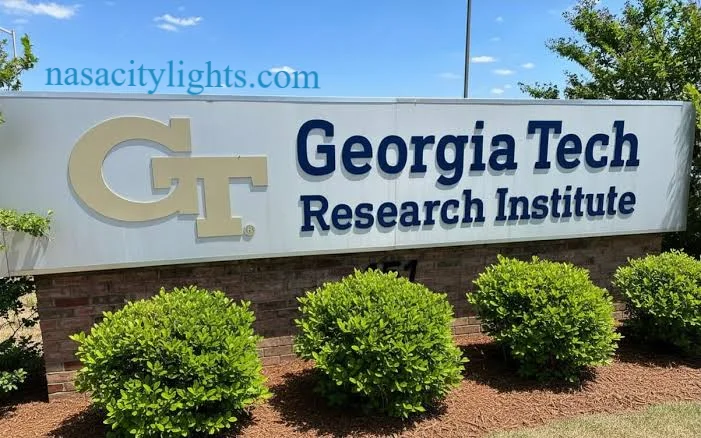
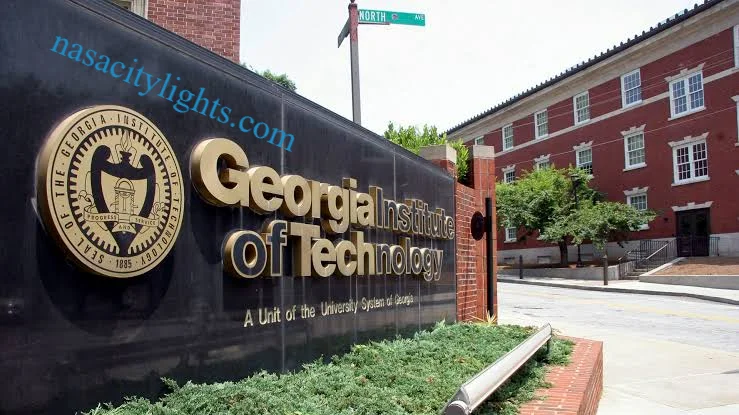
The Georgia Institute of Technology, widely known as Georgia Tech, is a public research university in Atlanta, Georgia, United States. Founded in 1885, the institution has developed a strong reputation for engineering, computing, science, and technological innovation. It combines academic learning with practical research, helping students develop the knowledge and skills needed to address real-world challenges.
For students exploring universities in the United States, Georgia Tech offers opportunities to study emerging technologies, participate in research, and prepare for careers across different industries. Its academic programs extend beyond traditional engineering into business, design, science, and liberal arts. The university also contributes to innovation through research partnerships, entrepreneurship, and projects designed to improve everyday life.
Academic Programs and Degrees
Georgia Tech offers undergraduate, master’s, and doctoral programs across several academic disciplines. Its educational approach emphasizes analytical thinking, collaboration, and practical problem-solving. Students can explore subjects such as computer science, electrical engineering, mechanical engineering, industrial design, business, and applied sciences, depending on their academic interests and career goals.
The university’s colleges provide specialized learning environments where students can develop technical expertise and transferable skills. Graduate students can pursue advanced study and research, while online master’s programs provide additional options for learners who need flexibility. Prospective applicants should review the official degree catalog because admission requirements, course availability, and program formats vary by department.

Technology and Engineering Education
Technology and engineering are central to Georgia Tech’s academic identity. Students study how complex systems work, how digital tools can solve practical problems, and how scientific discoveries can become useful products or services. Coursework may combine classroom instruction with laboratories, team projects, software development, and hands-on experimentation.
This approach helps learners connect theoretical knowledge with practical applications. Depending on their chosen program, students may explore robotics, cybersecurity, artificial intelligence, computer networks, electronics, or advanced manufacturing. These fields support industries ranging from healthcare and transportation to finance and telecommunications, creating opportunities for graduates with strong technical and analytical skills.
Artificial Intelligence and Advanced Computing Research
Artificial intelligence is an important area of modern research, and Georgia Tech supports work that connects computing with real-world needs. AI research can involve machine learning, data analysis, robotics, human-computer interaction, and methods for making digital systems more useful and reliable. Students and researchers may investigate how these technologies can improve services, support scientific discovery, and increase efficiency.
Advanced computing also plays a role in research that requires substantial processing power and specialized infrastructure. Collaboration between researchers, students, and industry partners can help move ideas from early experiments toward practical applications. Anyone following Georgia Tech’s AI initiatives should consult official university announcements for current projects, investment commitments, research partnerships, and newly announced facilities.
Space Research and Student Innovation
Space-related projects demonstrate how university research can extend beyond campus laboratories. Georgia Tech students and researchers contribute to engineering projects involving spacecraft systems, satellite technology, communications, and other areas of aerospace innovation. These projects can give students valuable experience with the design, testing, and operation of complex systems.
Student participation in satellite missions is especially useful for connecting classroom learning with real engineering challenges. A spacecraft project can involve hardware development, software, testing, mission planning, and data analysis. Such experiences help students understand how multiple technical disciplines work together and how research teams manage demanding projects with practical constraints.
Campus Life and Student Experience
Life at Georgia Tech involves more than lectures, laboratories, and examinations. Students can take part in clubs, professional organizations, sports, cultural activities, entrepreneurship programs, and research groups. These opportunities allow them to build friendships, develop leadership skills, and explore interests outside their main academic subjects.
The university’s location in Atlanta also gives students access to a large metropolitan area with businesses, cultural attractions, and professional networks. However, university life can be demanding because many programs require substantial study time and consistent preparation. Students considering Georgia Tech should evaluate academic expectations, living arrangements, financial resources, and support services before deciding whether it fits their needs.
Admissions and Application Requirements
Admission to Georgia Tech depends on the applicant’s educational background, chosen program, and applicable selection criteria. Undergraduate applicants generally need to review academic preparation, application materials, deadlines, and any program-specific requirements. Graduate applicants should examine the expectations of their intended department, including previous coursework, transcripts, recommendations, and other requested documents.
International applicants may need to provide additional materials, such as proof of English proficiency or documentation related to their educational credentials. Requirements can change between admission cycles, so applicants should not rely solely on old articles or unofficial summaries. The official admissions website is the most reliable place to confirm deadlines, eligibility, application procedures, and required documents.
Tuition, Financial Aid, and Scholarships
The cost of attending Georgia Tech depends on factors such as residency status, degree level, academic program, housing, meals, and personal expenses. Tuition alone does not represent the full cost of attendance, so prospective students should also consider fees, books, transportation, health-related expenses, and accommodation.
Financial assistance may be available through scholarships, grants, student employment, and other eligible funding options. The availability and conditions of these opportunities differ for domestic and international students, as well as undergraduate and graduate applicants. Students should review current official cost estimates and financial aid information before making a budget or assuming that a particular scholarship will cover their expenses.
Career Opportunities and Industry Connections
Georgia Tech’s emphasis on practical learning can help students prepare for careers in engineering, software development, data science, cybersecurity, research, product design, and business. Career preparation may include internships, cooperative education, networking events, research opportunities, and collaboration with employers. These experiences can help students understand workplace expectations while building professional skills.
Career outcomes still depend on a range of factors, including a student’s specialization, experience, performance, location, and the wider employment market. Students can strengthen their prospects by developing a portfolio, completing relevant projects, improving communication skills, and seeking internships early. Reviewing departmental career resources and current employment information can provide a clearer picture of opportunities in a particular field.
Why Georgia Tech Matters in Technology Innovation
Georgia Tech contributes to technology development through education, scientific research, entrepreneurship, and collaboration with external organizations. Its work spans areas such as computing, engineering, design, health-related technology, and advanced manufacturing. University research can help address challenges that require new materials, more efficient systems, improved digital tools, or better ways to process information.
The wider value of a research university lies in connecting people and ideas. Students gain experience working through difficult problems, researchers investigate questions that may lead to new discoveries, and industry partners can explore ways to apply promising results. These activities help connect higher education with the changing needs of communities, businesses, and society.
How to Find Reliable Georgia Tech Information
People researching the university should begin with its official website and the relevant department or office. These sources are best suited to current information about degrees, admissions, tuition, campus services, research announcements, and employment opportunities. Third-party university guides can provide additional context, but details should be checked against official information before important decisions are made.
For efficient research, focus on the exact information you need. Applicants should prioritize admissions and program pages, families should review cost and financial aid information, and researchers should explore faculty profiles and laboratory websites. Checking publication dates and application-cycle details can help prevent confusion caused by outdated information or announcements that have since changed.
Conclusion
The Georgia Institute of Technology is a public research university known for its focus on engineering, computing, science, and innovation. Its academic programs, research activities, student organizations, and industry connections offer multiple ways for learners to develop knowledge and practical skills. The university’s work in areas such as artificial intelligence, advanced computing, and aerospace research also illustrates the connection between education and technological progress.
For prospective students, the right next step is to explore programs that match their interests and confirm the latest admissions, tuition, and financial aid requirements. Using official university resources makes it easier to compare options and make informed decisions. Whether someone is researching technology education, planning an application, or following university innovation, Georgia Tech provides a broad range of subjects to explore.
Frequently Asked Questions
What is the Georgia Institute of Technology known for?
Georgia Tech is known for engineering, computing, science, technology research, and innovation.
Where is Georgia Tech located?
The university is located in Atlanta, Georgia, in the United States.
When was Georgia Tech founded?
Georgia Tech was founded in 1885.
Is Georgia Tech a public or private university?
Georgia Tech is a public research university.
What programs does Georgia Tech offer?
It offers programs in areas including engineering, computing, business, design, and science.
Does Georgia Tech offer online degrees?
Yes, the university offers selected online graduate programs; availability varies by degree.
How can students apply to Georgia Tech?
Applicants should use the official admissions website to review current requirements, deadlines, and application steps.
Does Georgia Tech provide financial aid?
Financial assistance may be available, but eligibility and options depend on the student’s circumstances and program.
Also Read: