
Space Shuttle Landing: How NASA Shuttles Returned to Earth, Landing Sites, and Amazing Facts
Introduction to Space Shuttle Landing
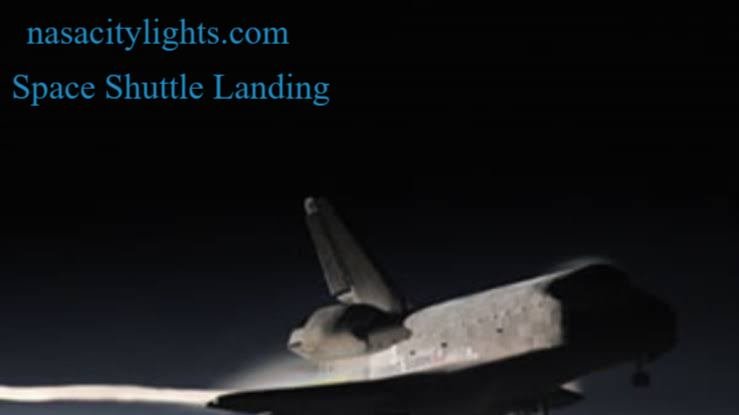
A space shuttle landing was one of the most remarkable achievements in human spaceflight. NASA designed the Space Shuttle to launch like a rocket, travel in orbit, and return to Earth by gliding toward a runway. Unlike conventional aircraft, the shuttle had no engines available to power its final descent. Astronauts therefore relied on careful planning, aerodynamic controls, and precise timing to bring the spacecraft safely back to the ground.
The Space Shuttle program operated from 1981 to 2011 and completed many successful missions before its retirement. Understanding the landing process reveals how astronauts managed extreme speeds, atmospheric heating, changing weather, and challenging runway approaches. This guide explores how the shuttle returned from orbit, where it landed, how its landing gear worked, and where readers can find historical NASA landing videos.
How Does a Space Shuttle Landing Work?
The space shuttle landing sequence began while the orbiter was still traveling around Earth. To return home, the spacecraft performed a deorbit burn using its Orbital Maneuvering System engines. This maneuver changed its orbit and directed it toward the atmosphere. As the shuttle descended, it encountered increasing atmospheric resistance, gradually losing orbital energy while following a carefully calculated flight path toward its designated landing site.
After atmospheric entry, the shuttle transitioned through several flight phases before reaching the runway. Astronauts used the vehicle’s aerodynamic control surfaces to manage its direction, altitude, and speed. During the final approach, the orbiter descended at a much steeper angle than a typical passenger airplane. Once the wheels touched the runway, the shuttle used its braking systems and, on equipped missions, a drag parachute to slow down.
The main stages included:
- Deorbit burn to begin the return journey.
- Atmospheric entry and management of extreme heat.
- Controlled descent through the atmosphere.
- Final approach and landing gear deployment.
- Runway touchdown, braking, and rollout.
Space Shuttle Landing Speed and Flight Control
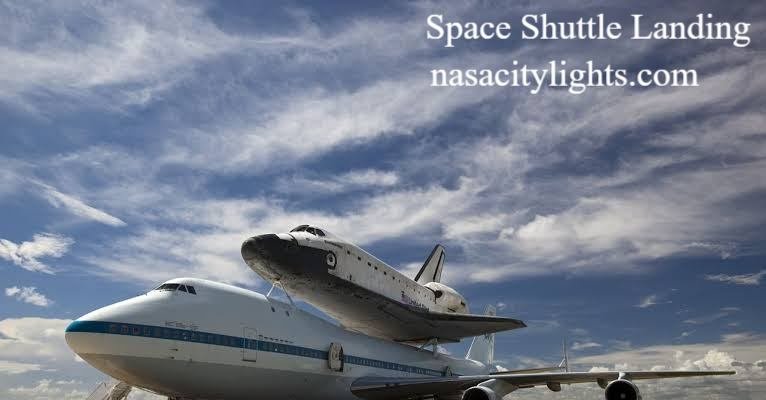
Speed management was essential because the orbiter returned from orbit with enormous energy. Although it slowed considerably during atmospheric descent, it still approached the runway much faster than many conventional aircraft. Typical touchdown speeds were around 215–225 miles per hour, depending on the orbiter and landing conditions. The high speed meant that astronauts had to follow carefully planned procedures and maintain precise control throughout the final phase of flight.
The shuttle’s aerodynamic design allowed it to glide without powered flight during its landing approach. Its elevons helped control pitch and roll, while the rudder supported directional control. The body flap helped manage airflow around the rear of the vehicle. Together, these systems allowed astronauts to guide the spacecraft toward the runway. Because the shuttle could not simply add engine power and climb away after an approach became unstable, energy management was especially important.
Space Shuttle Landing Gear and Runway Requirements
The shuttle’s landing gear was designed to support a heavy spacecraft moving at high speed. Its retractable system included two main landing gear assemblies and a nose landing gear assembly. The gear remained stowed during much of the mission and was deployed during the final approach. After touchdown, the wheels and braking systems helped bring the orbiter to a stop within the available runway distance.
NASA also required suitable runway conditions to support a safe arrival. The Shuttle Landing Facility at Kennedy Space Center featured a long concrete runway built specifically for orbiter operations. Edwards Air Force Base offered another important landing option, including suitable dry lakebed surfaces. Weather, wind, visibility, and runway conditions influenced landing decisions. Some missions used a drag parachute after touchdown to assist deceleration, although this equipment was not used on every orbiter or mission.
NASA Space Shuttle Landing Sites
NASA used several locations for shuttle landings, with Kennedy Space Center in Florida and Edwards Air Force Base in California serving as the principal sites. Kennedy’s Shuttle Landing Facility allowed orbiters to return directly to the launch center when conditions permitted. Edwards provided an alternative when weather or operational considerations made a Florida landing unsuitable. White Sands Space Harbor in New Mexico was used for the STS-3 mission, demonstrating the program’s flexibility.
Landing at an alternative site could create additional work after the mission ended. When an orbiter landed in California, NASA generally needed to transport it back to Florida for processing and preparation for future flights. This required specialized equipment, careful planning, and additional time. The choice of landing site therefore affected not only the final flight but also the wider mission schedule and the resources needed to prepare the shuttle for its next journey.
| Landing site | Location | Historical role |
|---|---|---|
| Kennedy Space Center | Florida | Primary landing facility for many missions |
| Edwards Air Force Base | California | Major alternative landing location |
| White Sands Space Harbor | New Mexico | Used for the STS-3 landing |
Space Shuttle Landing Today: Schedule, Time, and Live Updates
People searching for a space shuttle landing today may expect to find a live broadcast or a scheduled arrival. However, NASA retired its Space Shuttle fleet in 2011, so no operational shuttle landing is scheduled today. Search results may instead display archival footage, historical mission reports, or videos showing earlier landings. Readers should distinguish these recordings from live coverage of modern spacecraft returning from orbit.
For current spaceflight schedules, NASA’s official website and mission updates are useful starting points. Modern crewed spacecraft and cargo vehicles may return to Earth using different systems, such as parachutes and ocean recovery or other mission-specific landing methods. Their schedules can change because of weather, technical issues, or operational decisions. Anyone checking a spacecraft’s expected return time should confirm the date, time zone, and latest official announcement before making plans to watch.
Space Shuttle Landing Videos and Cockpit Views
Historical videos provide an excellent way to understand the final approach and touchdown. A runway-side recording can show the shuttle descending toward the landing strip, making wheel contact, and slowing down after touchdown. Cockpit footage offers a different perspective by showing the astronauts’ view of the runway and the demanding flight-control tasks involved. Together, these recordings help viewers appreciate how the shuttle operated more like a glider during landing than a powered aircraft.
NASA’s video archives and official mission recordings are valuable resources for anyone researching these events. When watching a recording, look for the transition from atmospheric descent to the final approach, the deployment of the landing gear, the moment the wheels touch the runway, and the rollout afterward. Historical footage can also help explain differences between landing sites and missions. Always check the video’s date and mission information so that an older recording is not mistaken for a live event.
Historic Space Shuttle Landings and Memorable Missions
The first orbital Space Shuttle mission, STS-1, launched aboard Columbia on April 12, 1981. Columbia returned to Earth on April 14, 1981, landing at Edwards Air Force Base after approximately 54.5 hours in space and 36 Earth orbits. This successful return demonstrated that the reusable spacecraft could complete an orbital mission and glide back to a runway. It was an important milestone in NASA’s effort to establish a reusable human spaceflight system.
Another memorable event occurred on March 30, 1982, when Columbia completed the STS-3 mission by landing at White Sands Space Harbor in New Mexico. The program’s final mission, STS-135, ended when Atlantis landed at Kennedy Space Center on July 21, 2011. That touchdown marked the end of the Space Shuttle program after three decades of operations. These milestones illustrate the program’s technical achievements and the importance of reliable landing procedures throughout its history.
Space Shuttle Landing in San Diego and Other Locations
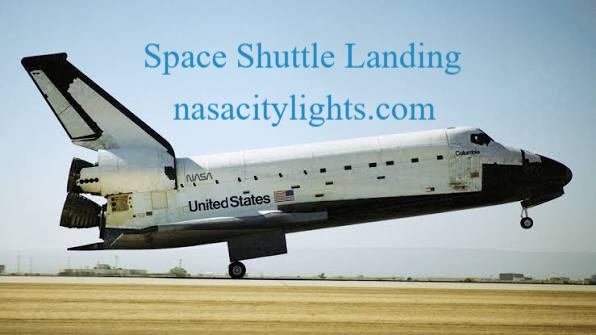
Searches for a space shuttle landing in San Diego may refer to historical reports, public exhibitions, aircraft transport, or confusion about where an orbiter actually touched down. San Diego was not a regular operational landing site for NASA’s Space Shuttle orbiters. The principal sites included Kennedy Space Center and Edwards Air Force Base, while White Sands served as an additional landing location for one mission.
To verify a claim about a shuttle arriving at a particular airport or city, consult NASA mission records and reliable historical reporting. It is important to distinguish an orbiter landing from an aircraft transporting a shuttle or a display involving a retired vehicle. These are different events, even when all involve the Space Shuttle program. Checking the mission number, date, location, and official event description can help establish what actually happened.
Space Shuttle Landing Challenges and Safety Procedures
Returning from orbit involved several demanding technical challenges. Atmospheric entry exposed the orbiter’s thermal protection system to intense heating, while the vehicle’s speed and trajectory required careful monitoring. Engineers had to ensure that critical systems remained functional and that the spacecraft could reach a suitable landing site. Weather conditions also mattered because strong winds, poor visibility, or an unsuitable runway could lead mission controllers to delay landing or select an alternative location.
The lack of powered flight during the final approach made preparation particularly important. Astronauts trained extensively in simulators and specialized aircraft to practice the shuttle’s distinctive handling characteristics. Mission teams monitored flight conditions and evaluated potential landing sites before authorizing the return. The combination of training, engineering, weather assessment, and carefully developed procedures helped crews manage the risks associated with bringing a spacecraft back to Earth.
What Happened After Space Shuttle Touchdown?
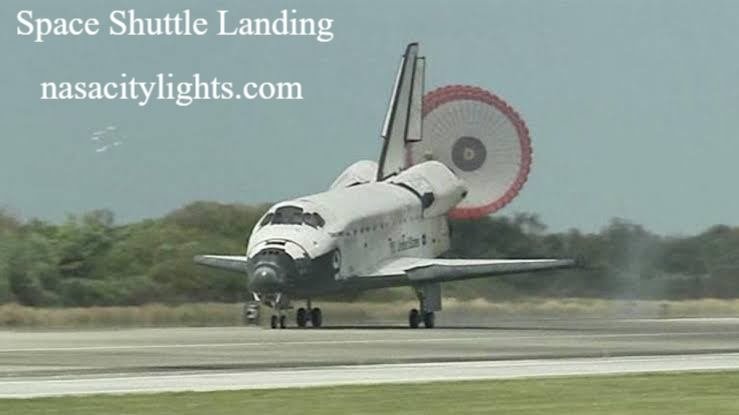
After touchdown, the orbiter continued along the runway while its braking systems and, where fitted, drag parachute reduced its speed. Ground crews then followed established safety procedures before approaching the vehicle. The astronauts completed post-landing activities, and technicians assessed the spacecraft’s condition. These steps helped ensure that the orbiter was safe to service and that any issues requiring attention could be identified before further work began.
Following the initial checks, technicians inspected the vehicle and its thermal protection system, including the tiles that protected it during atmospheric entry. Engineers also examined other important systems and reviewed mission data. If the orbiter was expected to fly again, it underwent maintenance and preparation for its next mission. When a shuttle landed at an alternative site, additional transport arrangements could be necessary before processing resumed at Kennedy Space Center.
Space Shuttle Landing vs. Modern Spacecraft Landings
The Space Shuttle had a distinctive landing method because its orbiter returned to Earth as an unpowered glider. It approached a runway, deployed its landing gear, and rolled to a stop much like an aircraft. Modern spacecraft use a range of recovery systems depending on their design. Some crew capsules descend beneath parachutes and land in water or on land, while other spacecraft are designed to use propulsion during portions of their return or landing.
These differences reflect the priorities and engineering choices behind each spacecraft. A runway landing allowed the shuttle to return as a reusable winged vehicle, but it required precise flight control and suitable landing facilities. Capsule systems can use different recovery arrangements, reducing the need for a long runway but introducing their own requirements for parachutes, recovery teams, or landing systems. Comparing these approaches shows how human spaceflight continues to evolve through different engineering solutions.
Conclusion
Space shuttle landings represented a remarkable combination of aerospace engineering, astronaut training, and precise mission planning. From the deorbit burn to atmospheric entry and runway touchdown, every phase required careful control. The shuttle’s high approach speed, unpowered glide, specialized landing gear, and dependence on suitable weather made its return to Earth a distinctive part of spaceflight history.
Although NASA retired the Space Shuttle program in 2011, its landings remain valuable examples of complex flight operations. Historical videos, mission records, and official NASA resources allow readers to explore these achievements in detail. For current spaceflight schedules, consult official mission updates rather than assuming that archival shuttle footage represents a live landing.
Frequently Asked Questions
Is there a space shuttle landing today?
No, NASA retired its Space Shuttle fleet in 2011, although other spacecraft continue to return to Earth.
What time is the space shuttle landing today?
There is no operational Space Shuttle landing scheduled today; historical landing times are available in NASA mission records.
Where did NASA space shuttles land?
The principal landing locations included Kennedy Space Center in Florida and Edwards Air Force Base in California, with White Sands used for one mission.
How fast was a space shuttle traveling when it landed?
A typical shuttle touchdown speed was approximately 215–225 miles per hour, depending on the orbiter and landing conditions.
How long was the runway used for a space shuttle landing?
Kennedy Space Center’s Shuttle Landing Facility has a runway approximately 15,000 feet long, designed to accommodate orbiter landings.
Did the space shuttle have landing gear?
Yes, the shuttle had retractable main and nose landing gear that were deployed during the final approach.
Can I watch a space shuttle landing video or cockpit view?
Yes, historical landing recordings and selected cockpit footage are available through NASA’s official video archives.
Did a space shuttle ever land in San Diego?
San Diego was not a regular operational landing site for NASA’s Space Shuttle orbiters; official mission records can help verify specific claims.
Author Name: Hamid Ali
Email: johanharwen314@gmail.com
Also Read: