
What Happens During A Rocket Launch? Amazing Journey Explained in 2026
Introduction
Have you ever watched a rocket launch on television and wondered what is really going on behind that fiery blast? It looks simple from the outside. A rocket sits on a pad, smoke fills the air, and suddenly it shoots into the sky. But so much happens in just a few minutes that most people never see.
Understanding what happens during a rocket launch helps you appreciate just how much engineering, timing, and teamwork goes into every mission. From the final countdown to the moment a satellite reaches orbit, each phase plays a critical role. If a single step goes wrong, the entire mission can fail.
In this article, you will learn exactly what happens during a rocket launch, step by step. We will cover the countdown, ignition, stage separation, Max Q, and what occurs once the rocket finally reaches space. By the end, you will understand this process better than most casual space fans.
What Happens During A Rocket Launch? Quick Answer
If you want the short version, here it is. A rocket ignites its engines, lifts off the pad, separates its stages, exits the atmosphere, and releases its payload into orbit or toward its target destination. That is the simple summary of what happens during a rocket launch, but each of these steps involves incredible precision.
Let us break it down phase by phase so you can see exactly how it all comes together.
The Countdown: Preparing For Liftoff
Every rocket launch starts long before ignition. Engineers run through thousands of checks to confirm the vehicle is ready.
- Fuel tanks get filled with propellant, often liquid oxygen and kerosene or hydrogen.
- Weather teams confirm wind speed and storm conditions are safe.
- Flight computers run final diagnostic tests.
- Ground crews clear the launch pad area.
This countdown can last hours or even days. If any system shows a problem, the launch gets delayed. Safety always comes first, since a single mistake can be costly and dangerous.
Ignition And Liftoff
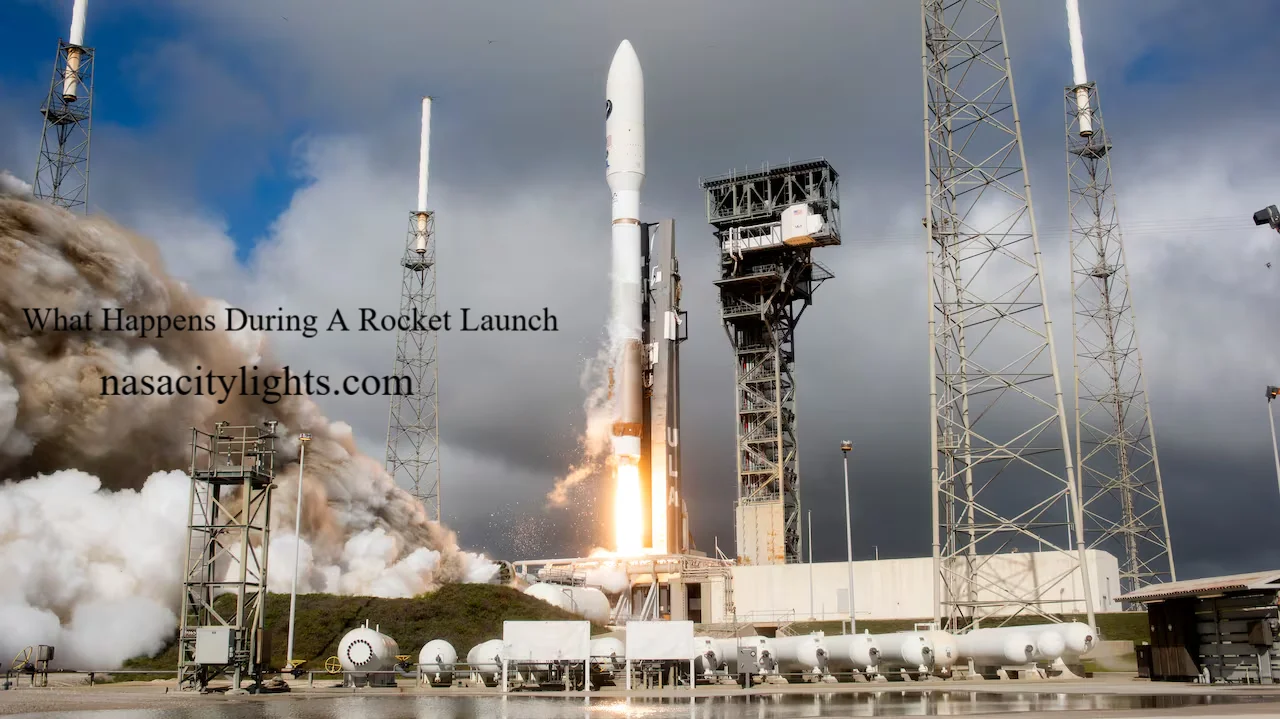
Once the countdown reaches zero, the engines ignite. Massive amounts of fuel and oxidizer mix and burn, creating thrust powerful enough to lift a vehicle weighing hundreds of tons.
At this stage, the rocket must generate more force than its own weight to leave the ground. You will notice the ground shake and a bright flame at the base. This is the moment most people associate with what happens during a rocket launch, though it is really just the beginning.
The rocket rises slowly at first, then accelerates rapidly as it burns through fuel and becomes lighter.
Max Q: The Moment Of Greatest Stress
As the rocket climbs, it moves faster while still flying through thick atmosphere. This creates intense aerodynamic pressure on the vehicle.
This point is called Max Q. It represents the moment when the rocket experiences the greatest structural stress during ascent. Engineers design rockets specifically to survive this phase without breaking apart.
Once the rocket passes Max Q, the air becomes thinner, and the pressure on the vehicle starts to decrease. This is often seen as one of the most critical moments in any launch sequence.
Why Do Rockets Separate Into Stages?
You may wonder why rockets are not built as one single piece. The answer comes down to efficiency.
Stage separation reduces weight, which improves fuel efficiency and allows the rocket to reach higher speeds. Once a stage burns through its fuel, it becomes dead weight. Dropping it allows the remaining stages to accelerate faster with less mass to carry.
Here is how staging typically works.
- The first stage burns and lifts the rocket through the lower atmosphere.
- Once its fuel is spent, it detaches and falls away or returns for landing.
- The second stage ignites and continues pushing the payload higher.
- Additional stages may fire if the mission requires more altitude or speed.
This process is a major part of what happens during a rocket launch, since it directly determines whether the mission can reach its intended destination.
Passing Through The Atmosphere
As the rocket continues its ascent, it moves beyond the denser parts of the atmosphere. The sky outside the window turns from blue to black. Gravity still pulls on the vehicle, but there is much less air resistance to fight against.
This is often when the payload fairing, the protective covering around the satellite or spacecraft, separates and falls away. It is no longer needed once the vehicle is high enough that atmospheric friction is not a concern.
What Happens After A Rocket Reaches Space?
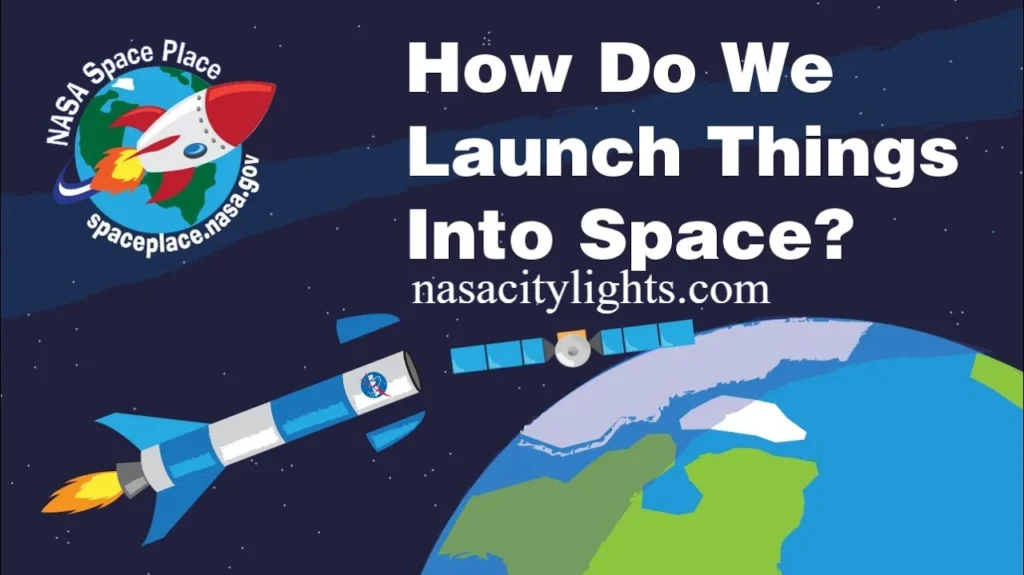
This is where things get exciting. Once the rocket is above the atmosphere, the upper stage takes over. It fires its engine to place the payload into its target orbit or trajectory.
Depending on the mission, this could mean releasing a satellite, sending astronauts toward the International Space Station, or pushing a spacecraft toward another planet.
Modern rockets, especially reusable ones, add another twist. Some boosters flip around and fire their engines again to guide themselves back to Earth. They land upright on a pad or a floating platform. This has changed the entire economics of spaceflight, since reusable boosters cut costs significantly for future missions.
So to summarize what happens after a rocket reaches space, the payload gets deployed, and in many cases, part of the rocket comes home for reuse.
A Quick Personal Note
I remember watching my first live rocket launch and being surprised by how much waiting was involved before those final ten seconds. The countdown feels slow, but once ignition starts, everything moves incredibly fast. Seeing the stages separate live, even on a video feed, gives you a real appreciation for how much precision timing is involved.
Why Understanding This Process Matters
Knowing what happens during a rocket launch is not just for space enthusiasts. Students, educators, and curious minds all benefit from understanding this process. It shows how physics, chemistry, and engineering come together to accomplish something incredible.
Whether you are researching for a school project or simply love space exploration, having a clear picture of each phase makes the entire subject much easier to follow.
Conclusion
Now you know exactly what happens during a rocket launch. From the tense countdown and fiery ignition to Max Q, stage separation, and the final payload deployment, every phase serves a purpose. Rockets are engineering marvels built to survive extreme stress while carrying out precise missions.
Next time you watch a launch, you will understand what is actually happening at each stage. Do you have a favorite rocket launch moment? Share your thoughts, and pass this article along to a friend who loves space as much as you do.
Frequently Asked Questions
What happens during a rocket launch? A rocket ignites its engines, lifts off, passes through Max Q, separates its stages, and eventually releases its payload into orbit or toward its destination.
Why do rockets separate into stages? Stage separation reduces weight, which improves efficiency and helps the rocket reach higher speeds with less fuel.
What is Max Q? Max Q is the point during ascent when the rocket experiences the greatest aerodynamic stress from atmospheric pressure.
What happens after a rocket reaches space? The upper stage places the payload into its planned orbit, and reusable boosters may return to Earth for landing.
How long does a typical rocket launch take? From ignition to reaching orbit usually takes around eight to twelve minutes, though it depends on the mission and rocket type.
Can rockets be reused after launch? Yes, many modern rockets are designed with reusable boosters that land back on Earth and get refurbished for future flights.
Why do rockets need so much fuel? Rockets need enough thrust to overcome gravity and atmospheric drag, which requires burning large amounts of propellant quickly.
What is a payload fairing? The payload fairing is the protective shell that covers the satellite or spacecraft during ascent and separates once in space.
nasacitylights.com
Email: johanharwen314@gmail.com
Author Name: Hamid Ali
About The Author: Hamid Ali is a science writer who enjoys breaking down complex space and technology topics into simple, easy to understand articles. He writes to help everyday readers explore the wonders of science without feeling overwhelmed.