
What Is A Solar Flare? The Powerful Truth Behind Sun’s Fury in 2026
Introduction
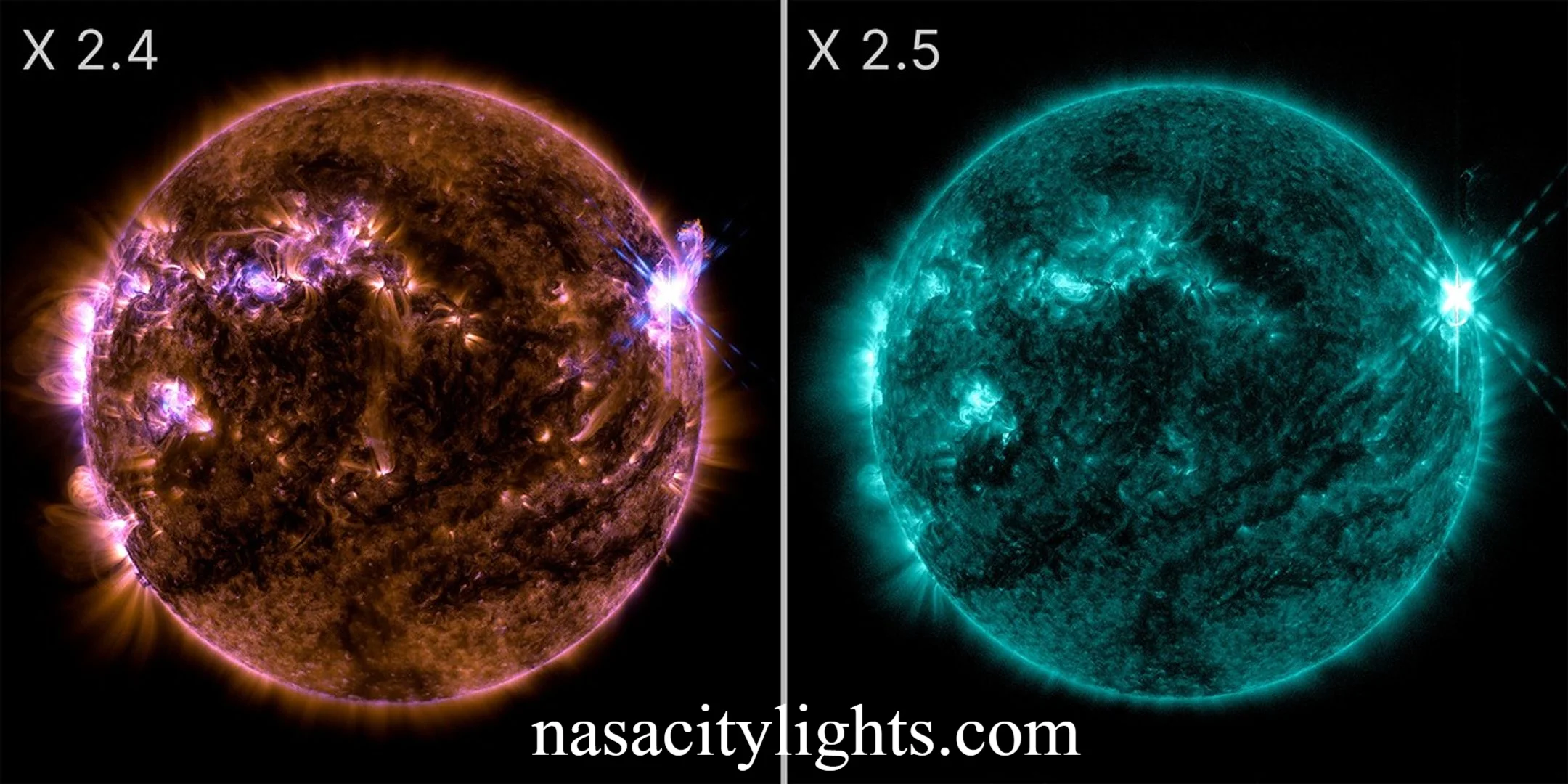
Have you ever seen the sun suddenly flare up in news headlines about blackouts or stunning auroras? That is not random. What is a solar flare, exactly? Simply put, a solar flare is a sudden explosion of energy on the Sun’s surface caused by the release of magnetic energy, producing intense radiation. It happens millions of miles away, yet it can disrupt your GPS, your phone signal, and even the power grid that keeps your lights on.
You do not need a physics degree to understand this fascinating space event. In this article, you will learn how solar flares form, what the different classes mean, and how they affect life on Earth. We will also clear up the confusion between solar flares and coronal mass ejections, and answer the questions people search for most. By the end, you will know exactly what is a solar flare and why scientists watch the sun so closely.
What Is A Solar Flare? A Simple Explanation
A solar flare is a sudden, bright burst of radiation that erupts from the sun’s surface. It happens when built up magnetic energy near sunspots suddenly snaps and releases in one huge flash. This flash travels across the solar system at the speed of light and reaches Earth in about eight minutes.
Think of it like a rubber band stretched too far. The sun’s magnetic field lines twist and tangle around active regions called sunspots. Eventually, the tension becomes too much, and the field lines snap and reconnect. That reconnection releases a massive burst of energy, and that burst is what we call a solar flare.
How Do Solar Flares Form?
Solar flares form through a process scientists call magnetic reconnection. Here is how it works in simple steps.
- Sunspots build tension. Dark, cooler patches on the sun called sunspots contain twisted magnetic field lines.
- Energy builds up. As these field lines twist further, they store enormous amounts of magnetic energy, similar to a coiled spring.
- The lines snap and reconnect. When the tension gets too high, the field lines break apart and reconnect in a new pattern.
- Energy releases instantly. This reconnection releases energy as light, heat, and radiation across the electromagnetic spectrum.
This entire process can release as much energy as billions of hydrogen bombs exploding at once. That is why even a distant flare can shake up technology here on Earth.
The Different Classes Of Solar Flares
Scientists classify solar flares by their brightness in X-ray wavelengths. There are five main categories, and each letter represents a flare ten times stronger than the one before it.
A Class And B Class Flares
These are the weakest flares. They happen often and barely register any effect on Earth. You will not notice them in daily life.
C Class Flares
C class flares are small too. They can cause minor effects but rarely disrupt anything noticeable on Earth’s surface.
M Class Flares
M class flares are medium sized. They can cause brief radio blackouts at the poles and minor radiation storms. These happen fairly often during active solar periods.
X Class Flares
X class flares are the big ones. They are major events that can trigger radio blackouts across the entire sunlit side of Earth. Within each class, a number from 1 to 9 shows further strength, though X class flares can go beyond 9 for truly extreme events.
Here is a quick way to picture the scale.
- A flare is barely a whisper.
- B flare is a light breeze.
- C flare is a noticeable gust.
- M flare is a strong storm wind.
- X flare is a full blown hurricane.
How Do Solar Flares Affect Earth?
You might wonder how something happening 93 million miles away touches your everyday life. The truth is, it touches more than you think.
Satellites
Strong flares can damage satellite electronics or throw satellites off their normal orbit path. Companies that operate communication and weather satellites monitor solar activity closely for this reason.
GPS Systems
Solar flares disturb the ionosphere, the layer of Earth’s atmosphere that GPS signals pass through. This can cause your GPS to show inaccurate locations for hours during a strong event.
Radio Communication
High frequency radio waves bounce off the ionosphere to travel long distances. A strong flare disrupts that layer and can cause radio blackouts, especially affecting aviation and maritime communication.
Power Grids
The most powerful flares, paired with related solar storms, can induce electrical currents in power lines. In rare extreme cases, this has caused transformer damage and regional blackouts.
Astronaut Safety
Astronauts outside Earth’s protective atmosphere face higher radiation exposure during strong solar events. Space agencies track solar activity to protect crew members on missions.
Solar Flares Versus Coronal Mass Ejections
People often mix up solar flares and coronal mass ejections, but they are not the same thing.
A solar flare is a burst of light and radiation. It travels at the speed of light and reaches Earth in about eight minutes.
A coronal mass ejection, known as a CME, is a massive cloud of solar plasma and magnetic field that erupts from the sun. It travels much slower, often taking one to three days to reach Earth.
Here is the simplest way to remember the difference. A flare is like a camera flash. A CME is like a cannonball. Both can occur together, but they cause different effects. Flares disrupt radio and GPS almost instantly, while CMEs cause geomagnetic storms and dazzling auroras once they arrive.
Are Solar Flares Dangerous To Humans?
This is one of the most common concerns people have. The good news is that solar flares are not directly dangerous to humans on Earth’s surface. Our atmosphere and magnetic field act as a shield against harmful radiation.
However, solar flares can indirectly affect your daily life through technology disruptions. Airlines sometimes reroute flights during strong flares to avoid radiation exposure at high altitudes. Power companies prepare backup systems during extreme space weather events. Astronauts in space face real risk and follow strict safety protocols during solar storms.
So while you do not need to worry about personal harm from a solar flare, the technology you depend on every day can feel the impact.
How NASA And Scientists Monitor Solar Activity
Space agencies take solar activity seriously, and for good reason. NASA operates the Solar Dynamics Observatory, which watches the sun around the clock and captures detailed images across multiple wavelengths.
The National Oceanic and Atmospheric Administration runs the Space Weather Prediction Center, which issues alerts and forecasts for solar storms much like a weather forecast for space. Other missions, including the Parker Solar Probe, fly closer to the sun than any spacecraft before to study solar wind and flare activity directly.
These observatories help scientists predict when a flare might occur and how strong it could be. This gives satellite operators, airlines, and power companies time to prepare before an event strikes.
Small Flares Versus Powerful Flares
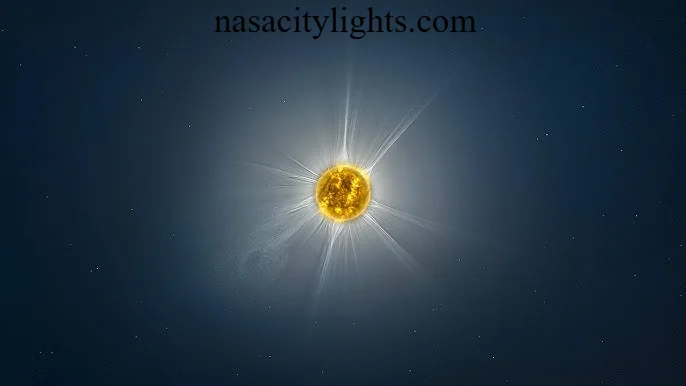
Not all solar flares are created equal. A small C class flare might pass without anyone noticing outside the scientific community. A powerful X class flare can make global headlines and disrupt communication systems for hours.
The strongest solar flare ever recorded happened on November 4, 2003. It measured an estimated X28, so intense that it overwhelmed the satellite instruments designed to measure it. That event caused radio blackouts and stands as a reminder of just how extreme solar activity can become.
Compare that to the thousands of small flares that occur every year with barely any impact. The difference between a small flare and a powerful one is the difference between a spark and a wildfire.
Common Questions About Solar Flares
What Causes A Solar Flare?
A solar flare is caused by the sudden release of magnetic energy stored in the sun’s atmosphere near sunspots. When twisted magnetic field lines snap and reconnect, that stored energy bursts outward as radiation.
Can Solar Flares Damage Earth?
Solar flares do not physically damage Earth’s surface because our atmosphere protects us. They can, however, damage satellites, disrupt GPS accuracy, and interfere with radio communication and power grids.
How Often Do Solar Flares Happen?
Solar flares happen daily, though most are small A or B class events. Stronger M and X class flares become more frequent during the peak of the sun’s roughly eleven year activity cycle, known as solar maximum.
Are Solar Flares Visible From Earth?
You cannot see a solar flare with the naked eye, and you should never look directly at the sun to try. Scientists observe flares using specialized telescopes and satellites that filter and capture different wavelengths of light.
What Is The Strongest Solar Flare Ever Recorded?
The strongest solar flare ever recorded occurred on November 4, 2003, and was estimated at X28. It saturated the X ray sensors on monitoring satellites, making its exact strength difficult to measure precisely.
Do Solar Flares Cause Auroras?
Solar flares themselves do not directly cause auroras. It is usually the coronal mass ejection that often accompanies a flare that interacts with Earth’s magnetic field to create the northern and southern lights.
Can Solar Flares Affect Cell Phones?
Solar flares can disrupt the signals your phone relies on, particularly GPS accuracy and network timing systems, though your phone itself is not physically harmed.
Is Earth Currently In A High Solar Activity Period?
The sun follows an eleven year cycle of rising and falling activity. Scientists track this cycle closely, and activity tends to peak during what is called solar maximum before gradually declining again.
Final Thoughts
So, what is a solar flare? It is a sudden burst of energy from the sun, born from twisted magnetic fields snapping into a new shape. These flares range from harmless whispers to headline making explosions that ripple across our technology dependent world. While they pose little direct danger to people, they remind us how connected our modern life is to the star at the center of our solar system.
Next time you hear about a solar flare in the news, you will know exactly what is happening and why it matters. Curious about space weather? Keep an eye on solar activity updates, and feel free to share this article with anyone who has ever asked what is a solar flare.
nasacitylights.com
Email: johanharwen314@gmail.com
Author Name: Hamid Ali
About The Author: Hamid Ali is a science and technology writer who enjoys breaking down complex space topics into simple, everyday language. He is passionate about astronomy, space weather, and helping readers understand the science that shapes our world.