
What Is The Van Allen Radiation Belt? Amazing Shield in 2026
Introduction
Have you ever looked up at the sky and wondered what actually protects our planet from the harsh energy of space? You are not alone. Many people ask what is the Van Allen radiation belt when they hear about satellites, astronauts, or space missions. It sounds complex, but the idea behind it is actually simple once you break it down.
In this article, you will learn what is the Van Allen radiation belt, who discovered it, where it sits above our planet, and why it matters so much for satellites and space travel. You will also find easy answers to common questions people search for online. By the end, you will understand this invisible shield in plain, simple language.
What Is The Van Allen Radiation Belt In Simple Words
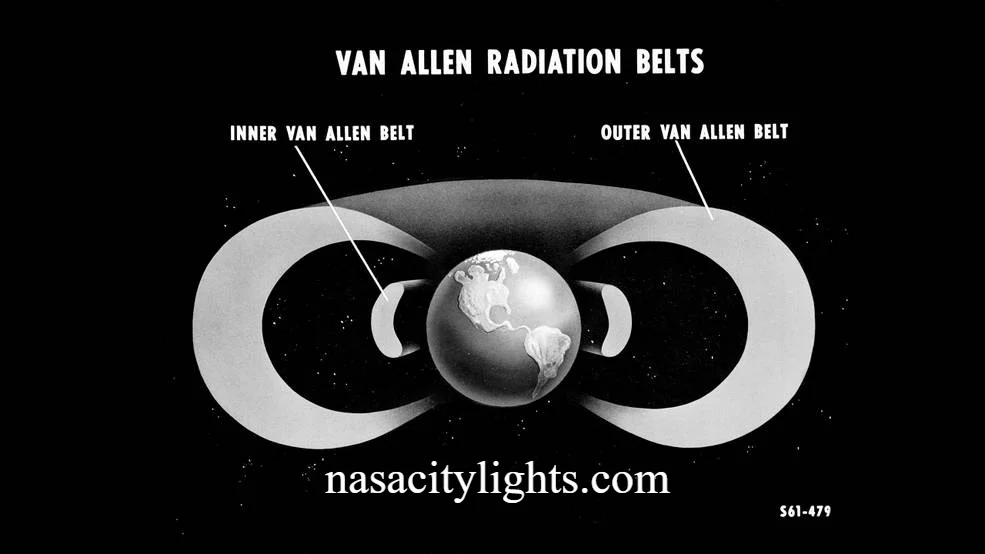
So what is the Van Allen radiation belt exactly? It is a region made of two doughnut shaped zones that surround Earth. These zones hold high energy charged particles trapped by Earth’s magnetic field.
You cannot see these belts with your eyes. They exist far above the atmosphere, in the space around our planet. Scientists study them closely because they affect satellites, astronauts, and even space missions heading to the Moon or Mars.
In short, the Van Allen radiation belt acts like an invisible net. It catches dangerous particles before they reach the surface of Earth.
Who Discovered The Van Allen Belts
You might wonder who found something so important yet so invisible. The belts were discovered in 1958 by American physicist Dr James Van Allen. He used data collected from the Explorer 1 satellite, which was the first successful satellite launched by the United States.
Dr Van Allen noticed unusual radiation readings coming from instruments aboard the satellite. After careful study, he confirmed that Earth was surrounded by belts of trapped radiation. This discovery changed how scientists understood space and Earth’s protective magnetic field forever.
Because of this achievement, the belts were named after him. Today, his name is tied closely to space science history.
How Earth’s Magnetic Field Traps Charged Particles
To fully understand what is the Van Allen radiation belt, you need to understand Earth’s magnetic field. Our planet acts like a giant magnet. It has a magnetic field that stretches far into space.
This magnetic field is created deep inside Earth, where molten iron moves and generates electric currents. These currents produce a magnetic force that surrounds the entire planet.
When charged particles from the sun, known as solar wind, travel toward Earth, most of them get deflected. However, some particles get pulled in and trapped along magnetic field lines. These trapped particles bounce back and forth between the North and South Poles, forming the belts we now call the Van Allen radiation belt.
Think of it like a magnetic bottle. The particles enter, but they cannot easily escape. Instead, they stay trapped, moving in looping patterns for long periods.
Inner Belt Versus Outer Belt
Once you understand what is the Van Allen radiation belt, the next step is knowing there are actually two separate belts. Each one has different characteristics.
Inner Van Allen Belt
- Located about 640 to 12000 kilometers above Earth
- Contains mostly high energy protons
- Considered more stable compared to the outer belt
- Poses greater risk to spacecraft electronics due to strong radiation
Outer Van Allen Belt
- Located roughly 13500 to 58000 kilometers above Earth
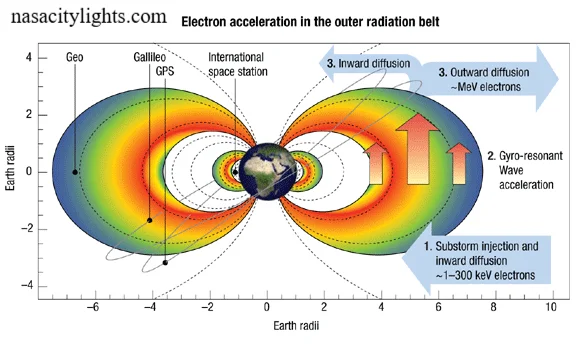
- Made mostly of high energy electrons
- Size and strength change often due to space weather
- Expands or shrinks depending on solar activity
Both belts work together as part of Earth’s protective radiation system. Even though they sit at different distances, they share the same basic purpose. They trap and hold dangerous particles away from the surface of our planet.
What Are The Belts Made Of
When people ask what is the Van Allen radiation belt, they often want to know exactly what fills these regions. The belts mainly contain three things.
- High energy electrons
- Protons
- Other charged particles pulled in from solar wind and cosmic rays
These particles move at incredibly high speeds. Because Earth’s magnetic field constantly pulls and pushes them, they stay trapped instead of drifting freely into space or crashing into the atmosphere.
Why The Van Allen Belts Are Important
You might be thinking, why should this matter to me? The truth is, these belts play a huge role in keeping life on Earth safe and in guiding space exploration.
Here is why they matter so much.
- They protect Earth by trapping harmful charged particles that could otherwise reach the surface
- They help scientists study space weather and predict solar storms
- They influence how engineers design satellites so electronics can survive radiation exposure
- They guide space agencies when planning safe routes for spacecraft and astronauts
Without this natural shield, life on Earth would face far greater exposure to harmful radiation from space. In many ways, the Van Allen radiation belt works quietly in the background, protecting us every single day.
NASA Missions That Study The Belts
NASA has dedicated real effort to studying what is the Van Allen radiation belt and how it behaves over time. One major mission was the Van Allen Probes, launched in 2012. These twin spacecraft flew directly through the belts to collect detailed data on particle behavior, radiation levels, and magnetic activity.
Thanks to this mission, scientists learned that the belts are more dynamic than once believed. Their size and intensity can shift quickly due to solar storms and space weather changes. This information helps engineers build stronger, safer satellites and spacecraft.
NASA continues to monitor the belts using other satellites and instruments today. This ongoing research keeps improving how we protect technology and future space missions from radiation damage.
Can Spacecraft Travel Through The Van Allen Belts
Yes, spacecraft can pass through the Van Allen radiation belt safely. This might surprise you, especially with all the talk about dangerous radiation. However, careful planning makes safe travel possible.
During the Apollo missions, engineers designed flight paths that moved spacecraft through the belts quickly. By limiting the time spent inside the highest radiation zones, astronauts avoided harmful exposure levels.
Modern missions still follow similar strategies. Spacecraft use protective shielding and carefully calculated trajectories to reduce risk. This proves that with proper planning, travel through the belts remains safe for both humans and equipment.
How The Belts Affect Satellites And Technology
Satellites orbiting within or near the Van Allen radiation belt face unique challenges. High energy particles can damage sensitive electronics over time. This is why engineers must consider radiation exposure when designing satellites.
Some satellites use special shielding materials to block harmful particles. Others are placed in orbits that avoid the most intense radiation zones altogether. Without these precautions, satellite lifespans could shrink dramatically due to radiation damage.
This shows just how much influence these belts have, not only on natural protection but also on modern technology we rely on every day, including GPS, weather forecasting, and communication systems.
Final Thoughts
Now that you know what is the Van Allen radiation belt, you can see how important this invisible shield truly is. It protects Earth from harmful space radiation, supports scientific research, and shapes how we design satellites and plan space missions.
The next time you hear about a satellite launch or a mission to the Moon, you will understand the hidden forces working behind the scenes. Space exploration always involves overcoming challenges like radiation, and the Van Allen belts remind us how remarkable our planet’s natural defenses really are.
If you found this article helpful, feel free to share it with someone curious about space. Do you think future missions to Mars will face similar radiation challenges? It is definitely worth thinking about.
Frequently Asked Questions
What is the Van Allen radiation belt?
The Van Allen radiation belt is made of two doughnut shaped regions around Earth that trap high energy charged particles using Earth’s magnetic field.
Who discovered the Van Allen belts?
Dr James Van Allen discovered them in 1958 using data from the Explorer 1 satellite.
Where are the Van Allen belts located?
The inner belt sits about 640 to 12000 kilometers above Earth. The outer belt sits about 13500 to 58000 kilometers above Earth.
What are the Van Allen belts made of?
They contain high energy electrons, protons, and other charged particles trapped by Earth’s magnetic field.
Why are the Van Allen belts important?
They protect Earth from harmful space radiation, help scientists study space weather, and guide satellite design and space mission planning.
Can spacecraft safely pass through the Van Allen belts?
Yes. Spacecraft, including Apollo missions, have safely traveled through the belts by using careful trajectories and minimizing time spent in high radiation zones.
Do the Van Allen belts ever change size?
Yes. Especially the outer belt, which expands or shrinks depending on solar activity and space weather conditions.
Are the Van Allen belts dangerous to humans on Earth?
No. The belts are located far above Earth’s surface and mainly affect satellites and spacecraft, not people living on the ground.
Which NASA mission studied the Van Allen belts closely?
The Van Allen Probes mission, launched in 2012, studied the belts in detail and provided valuable data on radiation behavior.
Is the Van Allen radiation belt part of Earth’s magnetic field?
Yes. The belts exist because Earth’s magnetic field traps and holds charged particles, forming these protective radiation zones.
nasacitylights.com
Email: johanharwen314@gmail.com
Author Name: Hamid Ali
Author Bio: Hamid Ali is a passionate science writer who enjoys breaking down complex space topics into simple, easy to understand articles. He loves exploring how natural forces like Earth’s magnetic field shape our planet and support modern technology.