
Why Is the James Webb Telescope Important? Amazing Cosmic Truth in 2026
Introduction
Have you ever looked up at the night sky and wondered what secrets are hiding out there? That curiosity is exactly why is the James Webb telescope important to scientists and space lovers alike. This incredible observatory has changed the way you see the universe, showing you galaxies that formed billions of years ago and planets that might one day support life. In this article, you will learn what makes this telescope so special, how it works, what it has already discovered, and why is the James Webb telescope important for the future of space exploration. By the end, you will understand why so many people call it the most powerful eye humanity has ever pointed at the stars.
What Is the James Webb Space Telescope?
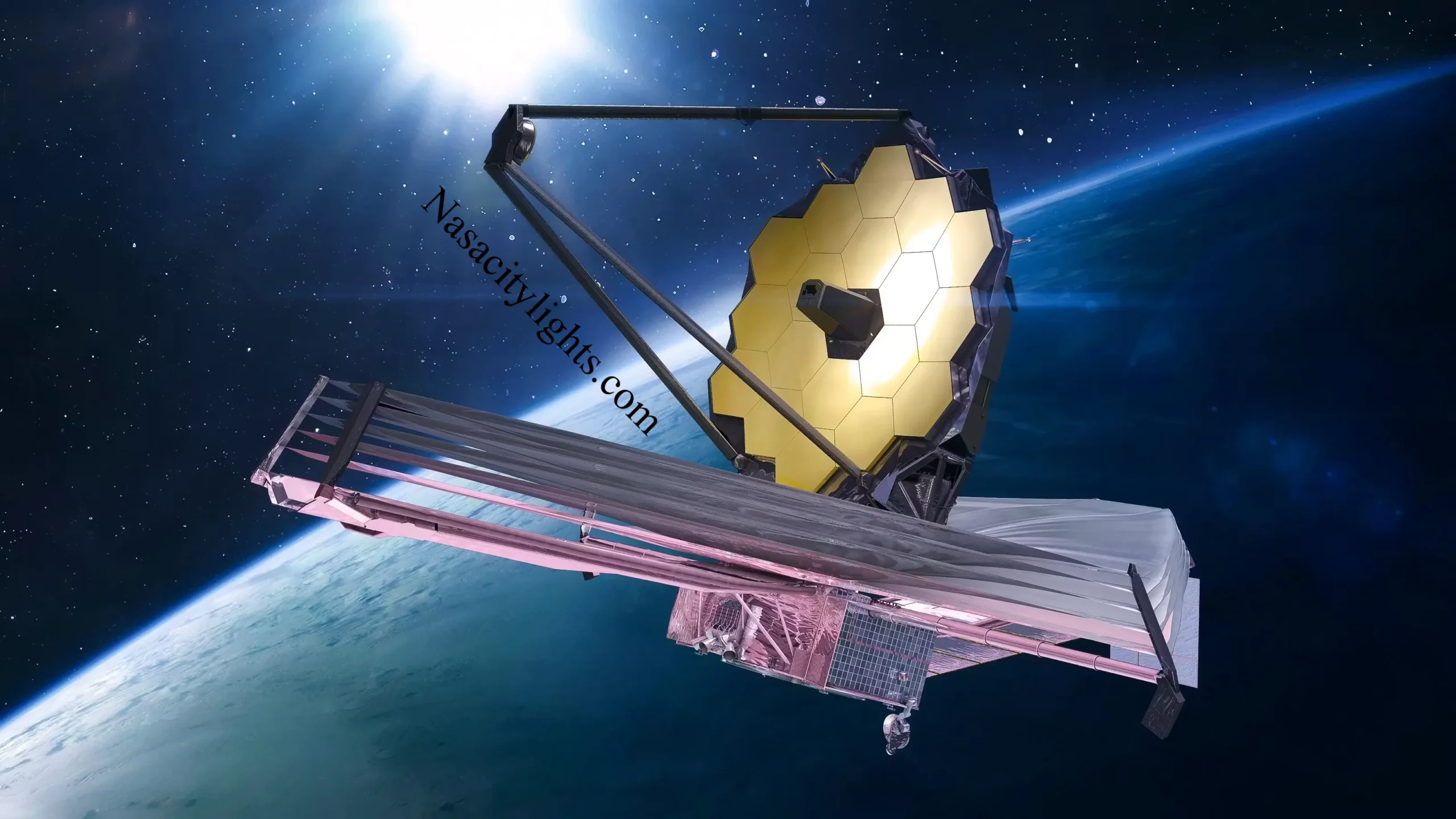
The James Webb Space Telescope, often called JWST, is the largest and most advanced space telescope ever built. It launched on December 25, 2021, and now orbits the Sun about 1.5 million kilometers from Earth. Unlike telescopes that sit on the ground, JWST floats far away from Earth’s light and heat, which lets it capture incredibly clear images of deep space.
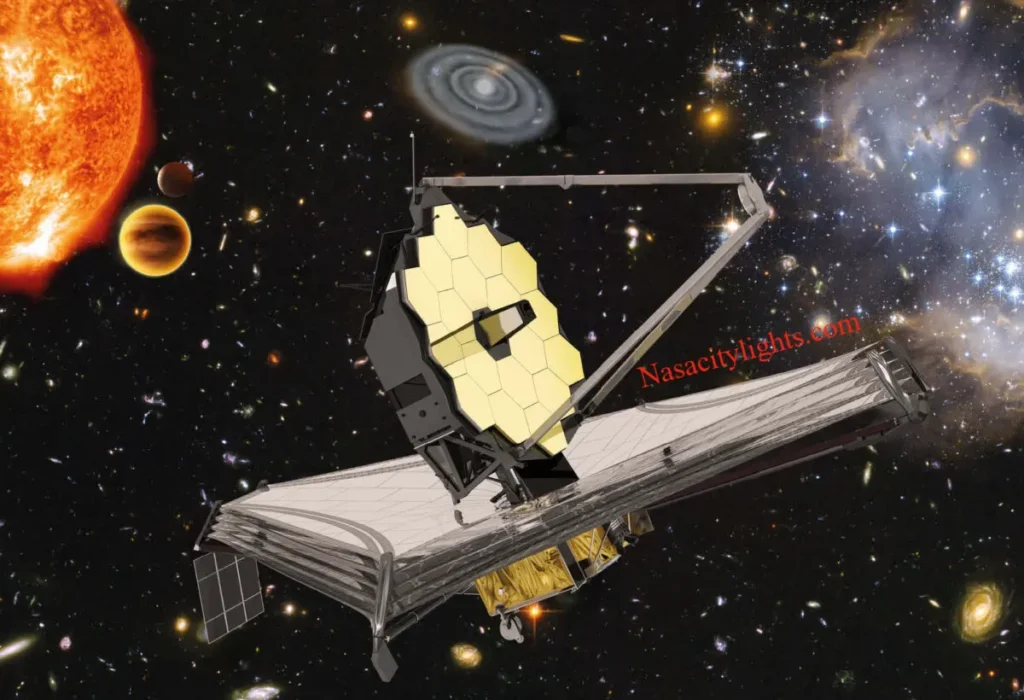
You might be wondering why is the James Webb telescope important compared to earlier space missions. The answer lies in its design. It uses a huge gold coated mirror over six meters wide, made of eighteen hexagonal segments that work together like a giant eye. This size allows it to collect much more light than any telescope before it, letting scientists see fainter and more distant objects than ever.
What Is the James Webb Telescope Used For?
JWST was built with a few major goals in mind. Understanding these goals helps explain why is the James Webb telescope important for modern astronomy.
Here is what scientists use it for:
- Observing the first galaxies that formed after the Big Bang
- Studying how stars and planetary systems are born
- Analyzing the atmospheres of exoplanets for signs of life
- Investigating black holes and how galaxies grow around them
- Mapping cosmic dust and gas clouds where new stars take shape
Each of these tasks gives researchers a clearer picture of how our universe began and how it continues to evolve.
How Is JWST Different From the Hubble Space Telescope?
You have probably heard of the Hubble Space Telescope, which has given us stunning images since 1990. So how does JWST compare, and why is the James Webb telescope important even though Hubble is still working?
The biggest difference is the type of light each telescope detects. Hubble mainly observes visible and ultraviolet light. JWST focuses on infrared light, which allows it to see through thick clouds of dust that block visible light. This means JWST can spot stars and galaxies hiding behind dust, something Hubble simply cannot do.
Other key differences include:
- JWST’s mirror is about seven times larger than Hubble’s
- JWST orbits far from Earth, while Hubble orbits close to our planet
- JWST can see objects that are older and farther away than anything Hubble has captured
- Infrared vision lets JWST detect heat signatures from planets and young stars
Because of these upgrades, JWST does not replace Hubble but instead builds on its work, reaching places Hubble never could.
What Discoveries Has the James Webb Telescope Made?
Since it began science operations in 2022, JWST has delivered discovery after discovery. This track record is a huge part of why is the James Webb telescope important to the scientific community.
Some standout discoveries include:
- Detection of some of the earliest galaxies, formed just a few hundred million years after the Big Bang
- Clear evidence of water vapor and other chemicals in exoplanet atmospheres
- Detailed images of star forming regions like the Carina Nebula
- New insights into supermassive black holes at the centers of ancient galaxies
- Surprising evidence that some galaxies grew much faster than scientists expected
These findings are reshaping textbooks and forcing astronomers to rethink old theories about how the universe developed.
How Far Can the James Webb Telescope See?
One of the most amazing facts about JWST is its incredible range. It can detect light from galaxies that formed over 13 billion years ago, meaning it looks back to a time when the universe was still very young. This ability to peer so far into the past is another reason why is the James Webb telescope important for understanding cosmic history.
Because light takes time to travel, looking farther into space actually means looking further back in time. So when JWST captures light from a distant galaxy, it is really seeing what that galaxy looked like billions of years ago, not what it looks like today.
Why Is JWST Considered Revolutionary?
Many scientists call JWST a revolutionary tool, and it is easy to see why is the James Webb telescope important in this sense. It does not just improve on old technology, it opens entirely new possibilities.
Here is what makes it revolutionary:
- It offers unmatched resolution and sensitivity in infrared astronomy
- It can study exoplanet atmospheres in detail, something rarely possible before
- It helps trace the timeline of galaxy formation more accurately than ever
- It provides data that supports both astronomy and cosmology research at the same time
In short, JWST does not just add to our knowledge, it transforms it.
Can the James Webb Telescope Detect Exoplanets?
Yes, JWST can detect exoplanets and study them in remarkable detail. It does this by observing the light from a star as a planet passes in front of it. This method, called transit spectroscopy, lets scientists analyze the chemical makeup of a planet’s atmosphere.
Through this technique, JWST has found signs of carbon dioxide, methane, and even water vapor on planets outside our solar system. These discoveries bring us closer to answering one of humanity’s biggest questions, are we alone in the universe.
How Does JWST Study the Early Universe?
JWST studies the early universe by capturing infrared light from the most distant galaxies. Since this light has traveled for billions of years, it lets scientists observe conditions from shortly after the Big Bang.
By studying these ancient galaxies, researchers can learn:
- How the first stars and galaxies formed
- How elements like hydrogen and helium evolved into heavier elements
- How galaxies merged and grew over cosmic time
This kind of research shows once again why is the James Webb telescope important, since it offers a direct window into the earliest chapters of cosmic history.
Who Built the James Webb Space Telescope?
JWST is the result of an incredible international partnership. It was built through collaboration between NASA, the European Space Agency (ESA), and the Canadian Space Agency (CSA). Thousands of scientists and engineers from around the world contributed to its design, construction, and testing.
This global teamwork is part of what makes the mission special. It shows that when countries work together, they can achieve things no single nation could accomplish alone.
What Is the Future Mission of JWST?
JWST is expected to keep operating for many years, possibly two decades or more, thanks to a precise launch that conserved its fuel supply. Its future missions include:
- Searching for more Earth like exoplanets
- Studying the formation of our own solar system’s early history
- Investigating dark matter and dark energy through galaxy observations
- Supporting future missions that may search for signs of life beyond Earth
As technology and data analysis improve, scientists expect even more groundbreaking results in the years ahead.
Conclusion
So, why is the James Webb telescope important? It is important because it lets you see farther into space and further back in time than any telescope before it. From spotting the earliest galaxies to studying exoplanet atmospheres, JWST is reshaping our understanding of the universe one image at a time. Its infrared vision, powerful mirror, and international teamwork make it a true milestone in space science.
What part of JWST’s mission excites you the most? Feel free to share this article with fellow space enthusiasts and keep exploring the wonders of our universe together.
FAQs
Why is the James Webb telescope important for astronomy?
It lets scientists see farther into space and study galaxies, stars, and planets in far greater detail than earlier telescopes.
What makes JWST different from Hubble?
JWST uses infrared light and has a much larger mirror, allowing it to see through cosmic dust and observe more distant objects.
Can JWST find alien life?
JWST cannot confirm alien life directly, but it can detect chemical signs in exoplanet atmospheres that may hint at habitability.
How old are the galaxies JWST has found?
Some galaxies observed by JWST formed within a few hundred million years after the Big Bang, making them among the oldest known.
Who funded the James Webb Space Telescope?
The mission was funded and developed through collaboration between NASA, ESA, and CSA.
How long will JWST keep working?
Thanks to an efficient launch, JWST could operate for twenty years or more.
Why is the James Webb telescope important for exoplanet research?
It allows scientists to study the atmospheres of exoplanets and detect gases that may indicate the presence of water or other life supporting conditions.
Nasacitylights.com
Email: johanharwen314@gmail.com
Author Name: Hamid Ali
About the Author: Hamid Ali is a science writer who enjoys turning complex space topics into simple, engaging stories for everyday readers. Passionate about astronomy and technology, he loves helping people understand the wonders of the universe in a way that feels relatable and easy to follow.