
Why Do Astronauts Float in Space? Surprising Truth in 2026
Introduction
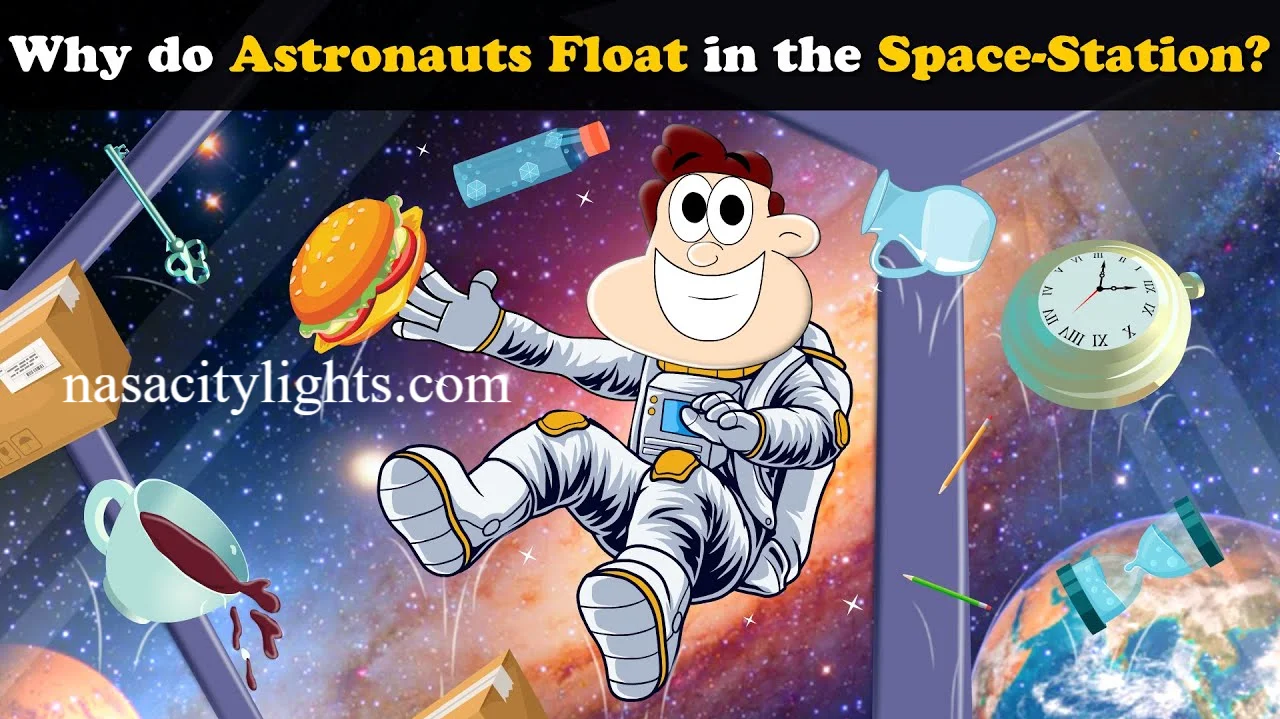
Have you ever watched a video of astronauts drifting through the International Space Station and wondered how that is even possible? It looks like magic, but it is not. Many people assume astronauts float because there is no gravity in space. That idea sounds logical, yet it is completely wrong. So why do astronauts float in space? The honest answer is that gravity is still very much present up there. What actually happens is far more interesting than most people realize.
In this article, you will learn the real science behind why do astronauts float in space, how free fall works, what microgravity really means, and how this strange condition helps scientists on Earth. We will also compare orbital motion to everyday experiences like an elevator drop or a roller coaster, so the concept finally clicks. By the end, you will understand this topic better than most short explainer videos ever teach you.
The Real Reason Why Do Astronauts Float in Space
Let us clear up the biggest misconception first. Astronauts do not float because gravity disappears once you leave Earth. Gravity does not simply switch off a few hundred kilometers above the surface.
In fact, at the altitude where the International Space Station orbits, gravity is still about 90 percent as strong as it is on the ground. If gravity vanished completely, the station and everyone inside it would simply drift off into deep space in a straight line. That is not what happens.
So why do astronauts float in space if gravity is still pulling on them? The answer lies in one word: free fall.
Understanding Free Fall in Orbit
The International Space Station is constantly falling toward Earth. At the same time, it is moving forward at an incredible speed, roughly 28,000 kilometers per hour. This forward speed is so fast that as the station falls, the curve of the Earth falls away beneath it at the same rate.
In simple terms, the station keeps missing the planet. It falls and falls, but it never actually hits the ground because it is also moving sideways fast enough to stay in orbit.
Everything inside the station, including the astronauts, the tools, and even loose drops of water, is falling at exactly the same rate. Since there is no relative difference in motion between the astronaut and the spacecraft around them, the astronaut appears to float freely.
This is the true and complete answer to why do astronauts float in space. It is not the absence of gravity. It is continuous, endless free fall combined with forward motion.
A Simple Elevator Comparison
Picture yourself standing inside an elevator. Now imagine the cable snaps and the elevator begins falling straight down, without any danger involved, just for the sake of this example.
During that fall, you would feel weightless. Your feet would lift slightly off the floor because both you and the elevator are falling at the same speed. Nothing is pressing against you anymore.
That feeling is very close to what astronauts experience, except their fall never ends because they keep moving forward and missing the Earth.
The Roller Coaster Moment
Think about the moment a roller coaster reaches the top of a steep hill and begins to drop. For a split second, your stomach lifts and you feel weightless in your seat.
That brief sensation is a tiny taste of what astronauts feel constantly. The only difference is that astronauts experience this feeling for months at a time, not just a few seconds.
What Is Microgravity, Really?
The word people often hear connected to this topic is microgravity, not zero gravity. These terms are frequently confused, but they mean different things.
- Zero gravity would mean gravity has completely disappeared, which never actually happens near Earth or even far into space.
- Microgravity means gravity is still present but its effects are barely noticeable because everything is falling together.
- Orbit is simply the balanced path created when an object falls toward a planet while also moving forward fast enough to continuously miss it.
NASA specifically uses the term microgravity because it accurately describes the environment aboard the ISS. Gravity has not vanished. It has just been made invisible by free fall.
Why Scientists Study Microgravity So Closely
NASA and other space agencies do not just find this floating effect fascinating to look at. They use it as a powerful research tool.
In microgravity, scientists can study things that are nearly impossible to observe properly on Earth. Fluids behave differently, flames burn in unusual round shapes, and materials form in ways gravity normally prevents on the ground.
Here are some key areas researchers explore using microgravity:
- Human body changes. Long term spaceflight affects bone density, muscle strength, and even eyesight. Understanding these changes helps prepare astronauts for longer missions.
- Plant growth experiments. Scientists are testing how crops grow without normal gravity, which could support food production on future long duration missions.
- New medical research. Some protein crystals grow larger and more clearly in microgravity, helping researchers understand diseases and develop better treatments.
- Technology testing. New life support systems, water recycling tools, and materials are tested in this unique environment before being used elsewhere.
I find it genuinely remarkable that a phenomenon many people simply enjoy watching in videos is actually driving real medical and scientific breakthroughs back home.
The International Space Station and Beyond
The ISS has been humanity’s main microgravity laboratory for more than two decades. Astronauts aboard the station live and work while constantly falling around the Earth, giving researchers a nonstop opportunity to study long term effects of weightlessness.
Looking ahead, NASA’s Artemis missions plan to send astronauts back to the Moon and eventually toward Mars. These missions will expose astronauts to different gravity levels, including the Moon’s much weaker pull. Comparing these varying conditions will help scientists understand how the human body adapts across different environments, not just full weightlessness.
This ongoing research is exactly why understanding why do astronauts float in space matters so much beyond simple curiosity. It directly shapes how future space travel will be planned and how astronaut health will be protected.
Quick Recap
Let us bring it all together simply:
- Astronauts float because they are in continuous free fall while orbiting Earth.
- Gravity is still strong at that altitude, around 90 percent of what we feel on the surface.
- Forward speed combined with falling motion keeps the station in a stable orbit.
- This condition is called microgravity, not zero gravity.
- Everything inside the station falls together, which creates the floating effect.

Conclusion
So the next time someone asks you why do astronauts float in space, you will know the real answer. It has nothing to do with gravity disappearing. It comes down to a beautifully simple concept: continuous free fall paired with incredible forward speed.
This natural phenomenon is not just cool to watch. It gives scientists a unique laboratory to study the human body, test new technology, and prepare for future missions to the Moon and Mars.
What part of this explanation surprised you the most? Share this article with someone who still thinks gravity simply switches off in space, and help clear up one of the most common myths about spaceflight.
Frequently Asked Questions
1. Why do astronauts float in space if gravity still exists there? They float because they are in continuous free fall while moving forward fast enough to stay in orbit, not because gravity has disappeared.
2. Is there truly no gravity in space? No, gravity exists almost everywhere in space. Near Earth’s orbit, gravity is still about 90 percent as strong as on the surface.
3. What is the difference between zero gravity and microgravity? Zero gravity means no gravity at all, which practically never happens. Microgravity means gravity is present but its effects are barely felt because objects are falling together.
4. How fast does the International Space Station travel? It travels at roughly 28,000 kilometers per hour, completing an orbit around Earth about every 90 minutes.
5. Do astronauts feel like they are falling? Many astronauts describe an initial sensation similar to falling or floating, which usually fades as their body adjusts during the first few days.
6. Why does water float inside the space station? Water floats because it is falling at the same rate as everything else around it, including the astronauts and the station itself.
7. Will astronauts experience the same floating effect on the Moon or Mars? No, both the Moon and Mars have their own gravity, which is weaker than Earth’s but still strong enough to prevent full floating like on the ISS.
8. Why is studying microgravity important for future missions? It helps scientists understand how the human body reacts to long term spaceflight, which is essential for planning missions to the Moon and Mars.
nasacitylights.com
Author Name: Hamid Ali
Email: johanharwen314@gmail.com
About the Author: Hamid Ali is a science content writer who enjoys breaking down complex space and technology topics into simple, easy to understand articles for everyday readers. He focuses on making science feel approachable, accurate, and genuinely interesting.