
What Is The Purpose Of The Artemis Program? Amazing Truth in 2026
Introduction
Have you ever looked up at the Moon and wondered if humans will walk on it again? You are not alone. This question sits at the heart of one of NASA’s biggest projects today, and it naturally leads to one big question: what is the purpose of the Artemis program? In simple terms, the program aims to return astronauts to the Moon and build a presence there that actually lasts, unlike the short visits of the past.
If you have heard the name Artemis on the news but never got the full picture, you are in the right place. This article breaks down what is the purpose of the Artemis program in plain language. You will learn why NASA is going back to the Moon, how this connects to future trips to Mars, and what makes this mission different from anything done before. By the end, you will understand exactly why this matters, not just for scientists, but for all of us.
What Is The Purpose Of The Artemis Program In Simple Words?
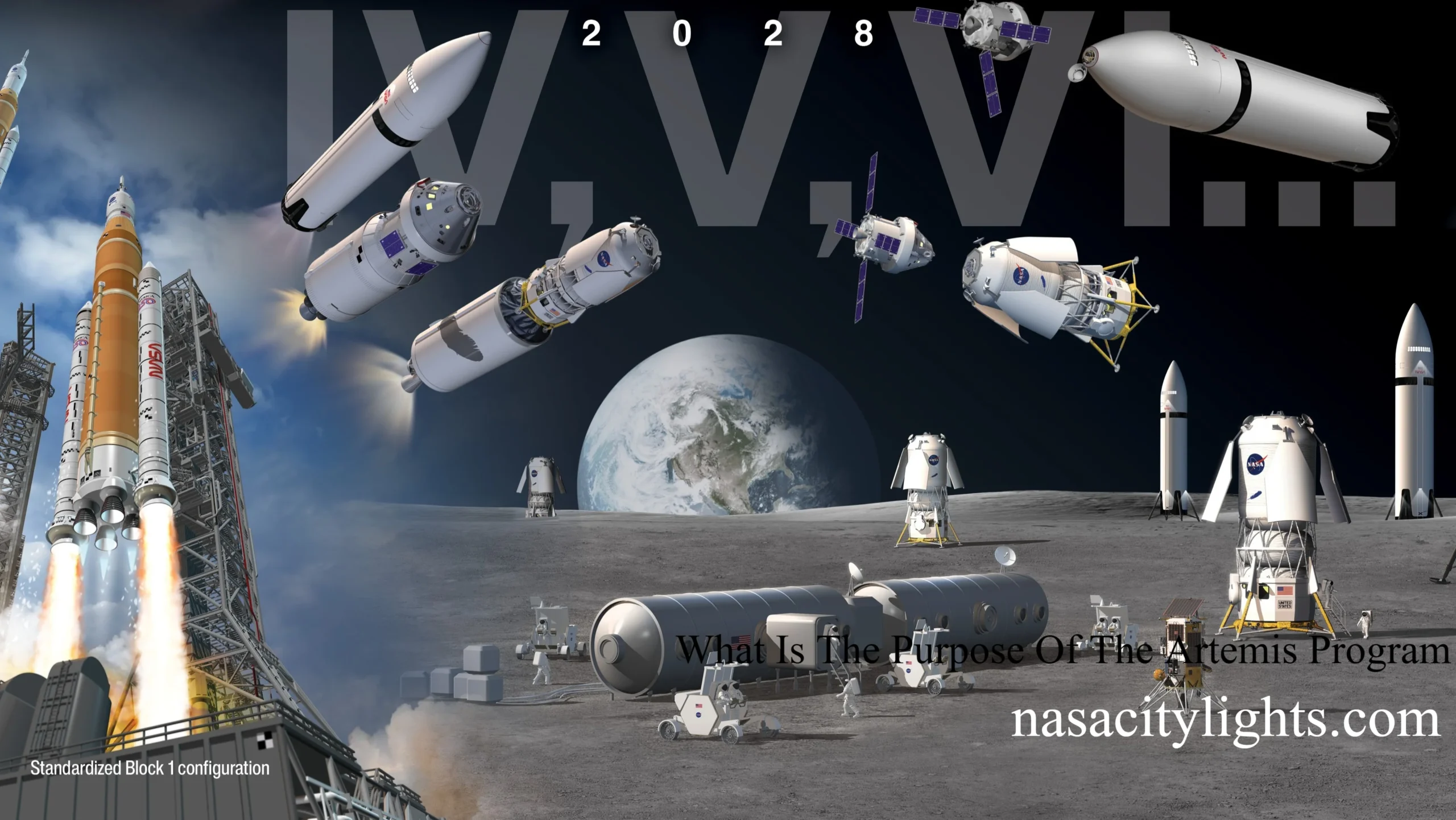
At its core, the purpose of the Artemis program is to send humans back to the Moon and keep them there for longer stretches of time. NASA is not just planning a quick flag and footprints trip. The goal is to build a sustainable setup on and around the Moon that supports research, testing, and long term human activity.
This effort includes several key goals.
- Land astronauts on the Moon, including the first woman and the first person of color to walk on its surface.
- Study the Moon’s environment through direct scientific research.
- Test new technology that future missions will depend on.
- Build the skills and tools needed to eventually send humans to Mars.
- Search the Moon’s South Pole for water ice, which could support future missions.
So when someone asks you what is the purpose of the Artemis program, you can tell them it is about far more than just landing. It is about staying, learning, and preparing for what comes next.
How Artemis Is Different From The Apollo Missions
You might be thinking, did we not already do this with Apollo back in the 1960s and 70s? Yes, and that history matters. But Artemis takes a completely different approach.
Apollo missions were short. Astronauts landed, collected samples, took photos, and came home within days. There was no plan to stay or build anything permanent.
Artemis flips that idea. NASA wants to create infrastructure on the Moon that supports repeated visits and longer stays. Think along the lines of a lunar base, ongoing science experiments, and a steady stream of missions rather than a single historic moment.
This shift explains a big part of what is the purpose of the Artemis program. It is not a repeat of history. It is a new chapter focused on staying power.
The Moon To Mars Strategy Explained
Here is where things get really exciting. The Moon is not the final stop. It is a stepping stone.
NASA calls this the Moon to Mars strategy, and it is central to what is the purpose of the Artemis program. Before humans can safely travel to Mars, they need to test equipment, habitats, and survival systems somewhere closer to home first.
The Moon offers the perfect testing ground because it is only a few days away, compared to the many months a Mars trip would take. Astronauts can practice living in a harsh, low gravity environment, test life support systems, and work out problems while help is still relatively close.
In short, everything learned on the Moon gets applied to Mars missions later. That includes habitat design, food production, radiation protection, and long duration health monitoring for astronauts.
Breaking Down The Artemis Missions
Understanding the individual missions helps make sense of the bigger picture. Each Artemis mission builds on the one before it.
Artemis I
This was an uncrewed test flight. The Orion spacecraft traveled around the Moon and back to Earth without any astronauts on board. The main goal was to test the rocket, the spacecraft, and the safety systems before risking human lives.
Artemis II
This mission carries a crew, but it does not land. Astronauts will fly around the Moon, testing life support and navigation systems with real people on board. It is a critical safety check before an actual landing attempt.
Artemis III
This is the big one. Artemis III aims to land astronauts on the lunar surface, specifically near the South Pole. This mission is expected to include the first woman and the first person of color to walk on the Moon, a historic milestone.
Each of these missions adds another piece to the answer of what is the purpose of the Artemis program, moving step by step toward a permanent lunar presence.
Why The South Pole Of The Moon Matters
You might wonder why NASA is not targeting the same areas Apollo already explored. The answer lies in water ice.
Scientists believe the South Pole region contains frozen water hidden in permanently shadowed craters. This is a big deal because water can be used for drinking, growing food, and even producing rocket fuel through a process that separates hydrogen and oxygen.
If astronauts can use resources already present on the Moon, missions become cheaper and easier to sustain. This idea, known as using local resources instead of shipping everything from Earth, plays a major role in what is the purpose of the Artemis program.
Technology And Innovation Driving Artemis Forward
Artemis is pushing the development of brand new tools and systems that did not exist during the Apollo era.
- New spacesuits designed for better mobility and protection.
- Advanced spacecraft like Orion, built with modern safety standards.
- Lunar landers created through partnerships with private companies.
- Habitats designed to support astronauts for extended stays.
- Life support systems capable of recycling air and water efficiently.
These innovations do not just help astronauts. Many space technologies eventually make their way into everyday products, from medical devices to communication systems. That ripple effect is part of why space programs matter to people who will never leave Earth.
Global Teamwork Behind The Mission
NASA is not doing this alone. The Artemis program includes partnerships with international space agencies from countries such as Canada, Japan, and several European nations. These collaborations bring shared expertise, shared costs, and shared success.
Commercial companies also play a huge role. Private aerospace firms are building landers, rockets, and other essential hardware. This mix of government leadership and private innovation speeds up progress and spreads out the financial burden.
This teamwork approach is another layer to what is the purpose of the Artemis program. It is not just about American achievement. It is about building an international, collaborative path into deep space.
Boosting Science And The Space Economy
Beyond exploration, Artemis fuels scientific discovery and economic growth. Researchers gain access to lunar samples, environmental data, and testing opportunities that were simply not possible before.
The program also supports thousands of jobs across engineering, manufacturing, and research sectors. Every rocket built, every suit designed, and every system tested creates economic activity that benefits communities well beyond the space industry itself.
I find this part especially interesting because it shows how a mission aimed at the Moon actually strengthens industries right here at home. Space exploration and everyday economic growth are more connected than most people realize.

Final Thoughts
So, what is the purpose of the Artemis program? It comes down to returning humans to the Moon, staying there in a meaningful way, and using that experience to prepare for Mars. It is a mission built on science, innovation, international teamwork, and long term ambition rather than a quick historic moment.
This program represents a shift in how humans approach space, focusing on sustainability instead of a single achievement. What part of the Artemis program excites you the most? Feel free to share your thoughts or pass this article along to someone else curious about our next steps into space.
Frequently Asked Questions
What is the purpose of the Artemis program? The purpose is to return astronauts to the Moon, build a lasting presence there, and use that experience to prepare for future missions to Mars.
Why is NASA returning to the Moon after Apollo? NASA aims to build long term infrastructure and gather scientific data that supports future deep space missions, something Apollo never attempted.
What is the goal of Artemis III? Artemis III aims to land astronauts near the Moon’s South Pole, including the first woman and the first person of color to walk on the lunar surface.
How does Artemis prepare humans for Mars? Astronauts test habitats, life support systems, and survival techniques on the Moon first, since it is much closer than Mars and safer for early testing.
Why does the South Pole of the Moon matter? Scientists believe it contains water ice, which could support drinking water, food production, and fuel creation for future missions.
Is NASA working with other countries on Artemis? Yes, NASA partners with international space agencies and private companies to share resources, costs, and expertise.
What new technology is being developed for Artemis? New spacesuits, spacecraft, lunar landers, habitats, and advanced life support systems are all part of the program’s innovation goals.
How is Artemis different from Apollo? Apollo focused on short visits, while Artemis focuses on building a sustainable, long term human presence on the Moon.
Will Artemis missions include international astronauts? Yes, collaboration with global space agencies means astronauts from partner countries may take part in future missions.
Why does the Artemis program matter to everyday people? It drives job creation, technological innovation, and scientific discoveries that often benefit industries and communities beyond space exploration.
nasacitylights.com
Email: johanharwen314@gmail.com
Author Name: Hamid Ali
About The Author: Hamid Ali is a content writer who enjoys breaking down complex science and space topics into simple, easy to understand articles. He focuses on making subjects like space exploration approachable for everyday readers who are curious about the world beyond Earth.