
Flow Neuroscience: How It Works for Depression
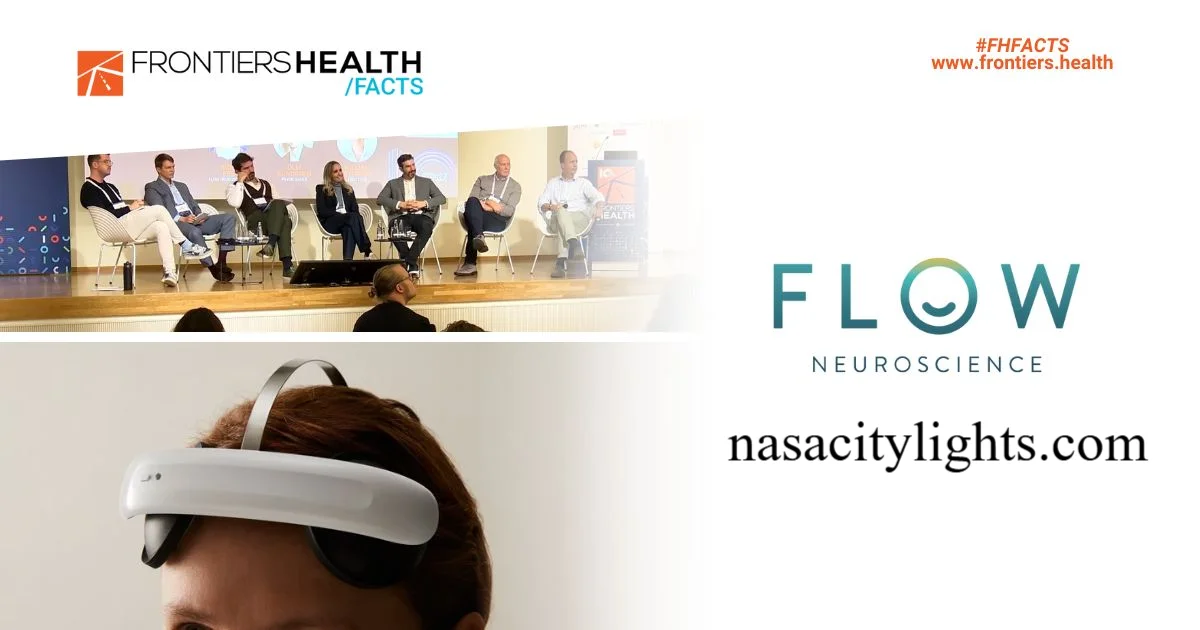
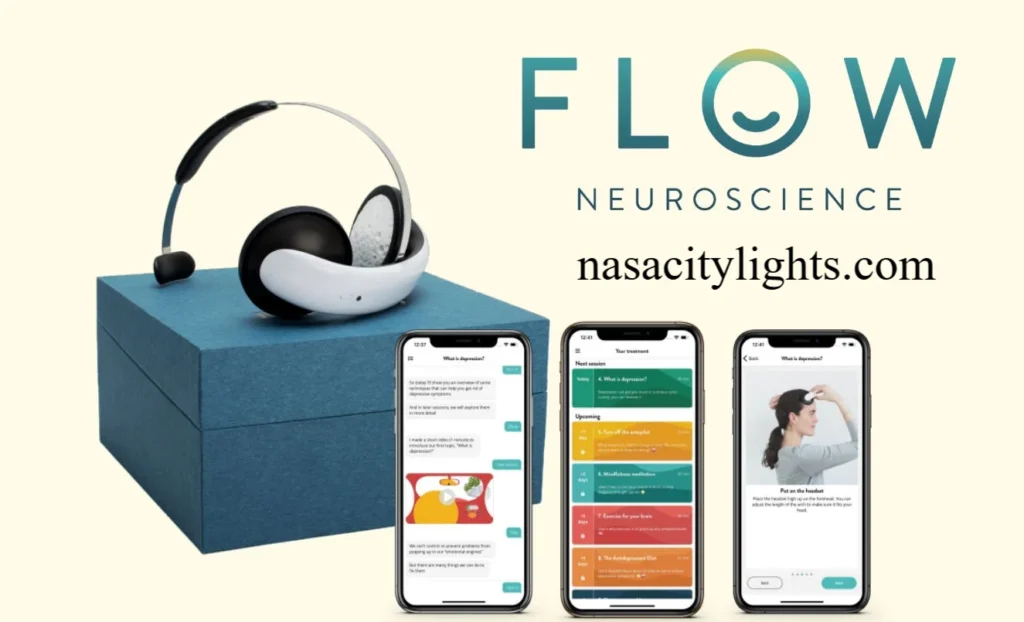
Flow Neuroscience is a digital mental health treatment that combines transcranial direct current stimulation (tDCS) with an app-based treatment experience for people with major depressive disorder (MDD). Its Flow FL-100 headset delivers a low electrical current to targeted areas of the brain while the accompanying software supports treatment monitoring and guidance.
The technology is particularly notable because it is designed for at-home depression treatment under medical supervision. In the United States, the FDA approved the Flow FL-100 in December 2025 for adults with moderate to severe MDD in the current episode who are not considered treatment refractory to medication. It may be used as monotherapy or alongside antidepressant treatment.
The evidence is promising, but Flow should not be viewed as a universal replacement for antidepressants, psychotherapy, or other mental health services. Individual suitability and treatment decisions should be discussed with a qualified healthcare professional.
What Is Flow Neuroscience?
Flow Neuroscience is a prescription medical device and digital treatment system that uses tDCS to help treat depression.
The main component is the Flow FL-100 headset. During treatment, the device applies a controlled electrical current through electrodes positioned on the head. The FDA documentation identifies the device as a cranial electrotherapy stimulator intended for moderate to severe MDD.
Flow also includes software components such as its app and clinician-facing platform. FDA documentation describes the system as including the Flow app, clinic patient portal, and supporting server software.
This makes Flow different from a simple consumer wellness gadget. Its U.S. indication is specifically tied to diagnosed depression, adult patients, and medical supervision.
How Does Flow Treat Depression?
Flow uses transcranial direct current stimulation, commonly called tDCS.
The treatment delivers a small electrical current between electrodes placed on the head. In the pivotal EMPOWER study, active treatment used 2 mA of current, with the anode positioned over the left dorsolateral prefrontal cortex and the cathode over the right dorsolateral prefrontal cortex. Each stimulation session lasted 30 minutes.
The goal is not to electrically “shock” the brain. Instead, tDCS provides a weak, controlled current that can influence neuronal activity in targeted brain regions.
The broader scientific rationale involves brain networks associated with mood, cognition and emotional regulation. However, the precise biological mechanisms through which tDCS produces antidepressant effects are still being studied.
How the Flow Headset Works
A typical Flow treatment involves several connected components:
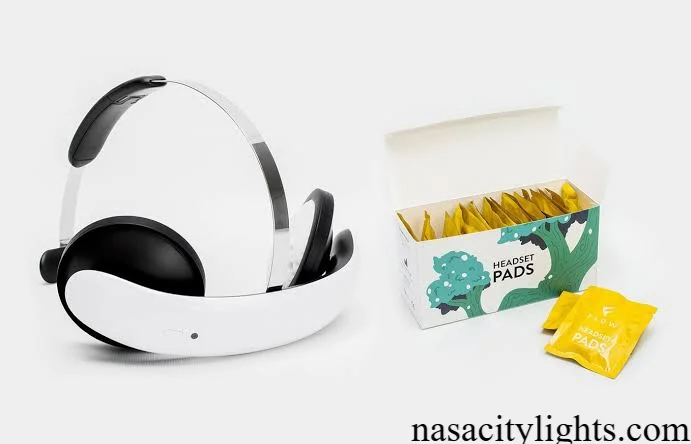
- Flow FL-100 headset – delivers the electrical stimulation.
- Electrode pads – make contact with the scalp as instructed.
- Flow app – supports the treatment experience and monitoring.
- Clinician platform – allows healthcare professionals to oversee treatment.
- Treatment schedule – determines when stimulation sessions are performed.
The device is designed for home use, but U.S. FDA labeling states that patients should have their clinical course supervised by a medical provider.
This supervised model is important because depression varies considerably between individuals. A device that helps one person may not provide the same benefit to another.
Who May Be Suitable for Flow?
In the United States, the FDA indication covers adults aged 18 or older with moderate to severe major depressive disorder in the current episode who are not considered treatment refractory to medication. Flow may be prescribed as a standalone treatment or as an adjunct to medication.
That does not mean everyone with low mood or occasional sadness is a candidate.
A clinician may consider factors such as:
- Depression diagnosis and severity
- Current medications
- Previous treatment response
- Medical history
- Skin condition around the electrode area
- History of seizures
- Implanted medical devices or metal around the brain
- Pregnancy status
- Suicidal thoughts or immediate safety concerns
A medical professional should determine whether the treatment is appropriate.
What Is the Flow Treatment Schedule?
The exact schedule can depend on the approved protocol and clinical supervision.
In the 10-week EMPOWER trial, participants completed five 30-minute sessions per week for the first three weeks, followed by three sessions per week for seven weeks, giving 36 sessions during the blinded treatment phase.
Activation Phase
The early phase involves more frequent stimulation.
The purpose is to establish regular treatment use and provide repeated exposure to tDCS during the initial weeks.
Continued or Strengthening Phase
After the initial three weeks, the EMPOWER protocol reduced treatment frequency to three sessions per week for the remaining seven weeks.
It is important not to automatically apply clinical-trial schedules to every individual. A prescribed treatment plan should follow the instructions provided by the treating clinician and the device’s current labeling.
Does Flow Neuroscience Work?
Clinical research indicates that Flow FL-100 can reduce depressive symptoms and increase remission rates compared with sham treatment, although the FDA identified some uncertainty around the evidence.
The major evidence comes from the randomized, double-blind, sham-controlled EMPOWER trial published in Nature Medicine in October 2024.
The study randomized 174 adults with moderate or severe MDD to active or sham tDCS. The primary analysis included 173 participants. At 10 weeks, the active group had a 57.5% remission rate, compared with 29.4% in the sham group.
The study also found significant improvement in depressive symptoms measured with the Hamilton Depression Rating Scale. The researchers concluded that remotely supervised home-based tDCS showed efficacy, acceptability and safety during the study.
However, the FDA’s review provides important context. Its assessment states that there was a moderate level of uncertainty regarding benefit, citing factors including unblinding, the absence of a prespecified clinically significant change in the HDRS-17 outcome and conflicting evidence in the broader literature.
That distinction matters: positive trial results do not mean Flow is guaranteed to work for every person.
Flow Clinical Research
The EMPOWER study is the most important piece of evidence for the Flow FL-100.
According to Nature Medicine, it was a fully remote, multisite, randomized, sham-controlled superiority trial lasting 10 weeks, followed by an open-label period. The active group received 2 mA tDCS for 30 minutes per session.
Key findings included:
| Measure | Active tDCS | Sham |
|---|---|---|
| Remission at 10 weeks | 57.5% | 29.4% |
| Clinical response | 51.8% | 25.1% |
| Trial treatment | 10 weeks | 10 weeks |
| Session length | 30 minutes | 30 minutes |
The remission and response figures above come from the published study.
Flow also publishes real-world data from thousands of users. Those figures can be useful for understanding treatment experience, but they should not be interpreted in exactly the same way as results from a randomized controlled trial because real-world datasets do not provide the same level of experimental control.
Flow as Standalone or Adjunctive Treatment
One important feature of the FDA indication is that Flow FL-100 can be used as monotherapy or adjunctive treatment for the indicated adult MDD population.
Adjunctive treatment means it can be used alongside another depression treatment, such as an antidepressant, when appropriate.
The EMPOWER research also reported evidence suggesting a potentially stronger effect when tDCS was combined with antidepressant medication. However, Flow’s clinician materials note that more research is needed to understand this potential amplification.
Patients should never stop, reduce or change antidepressant medication simply because they begin using Flow.
Behavioural Therapy and the Flow App
The Flow approach goes beyond brain stimulation.
The company describes an app-based treatment experience that can support areas commonly addressed in depression care, including behavioural activation, exercise, meditation, sleep and diet.
This is potentially useful because depression treatment is often multidimensional. Brain stimulation addresses one component of treatment, while behavioural changes can address daily routines, activity levels and other factors associated with depression.
Still, app-based behavioural content should not automatically be considered equivalent to individualized psychotherapy or cognitive behavioral therapy delivered by a qualified professional.

Flow and NHS Research
Flow has also been used within NHS services and other clinical settings.
The company’s published research materials report NHS pilots involving community mental health and crisis services. These studies provide useful real-world information about integrating tDCS into clinical pathways, but they are different from the randomized EMPOWER trial and should be interpreted accordingly.
This distinction is important when evaluating claims about clinical effectiveness. A randomized placebo-controlled trial can answer questions about comparative efficacy, while service evaluations can provide information about feasibility, adherence and implementation.
Safety, Contraindications and Warnings
Flow is a medical device, so safety considerations are essential.
The FDA labeling lists open wounds, broken skin or damaged skin at the electrode site as a contraindication. The labeling also instructs patients to discuss certain circumstances with their clinician, including pregnancy, suicidal thoughts, epilepsy or seizures, cranial abnormalities and certain implanted devices.
Extra caution may be required for people with:
- Seizure disorders or a history of seizures
- Metal in or around the brain
- Cochlear implants
- Brain surgery clips or similar devices
- Chronic skin conditions affecting the scalp or forehead
- Current suicidal thoughts or self-harm concerns
- Pregnancy or possible pregnancy
The FDA instructions also emphasize that patients should not change their depression treatment without speaking with their medical provider.
Flow’s published safety data describe minor effects such as skin irritation and headaches, while its clinical materials report no serious device-related side effects in the cited studies. These figures should be interpreted within the specific populations and protocols studied.
Is Flow FDA Approved?
Yes. Flow FL-100 received FDA Premarket Approval in the United States on December 8, 2025.
The FDA indication covers adults 18 and older with moderate to severe MDD in the current episode who are not considered treatment refractory to medication. It can be used as monotherapy or adjunctive treatment.
The FDA database also records a July 2026 supplement covering minor device design, firmware, documentation and related updates.
Flow is therefore no longer simply an experimental consumer technology in the United States. It is a prescription medical device with a specific FDA-approved indication.
Flow Neuroscience in the UK, USA and Australia
Regulatory status differs by country.
In the United States, Flow FL-100 has FDA approval and is available by prescription under the indicated conditions.
In the UK and Europe, Flow has been used clinically for several years, with the company reporting certification and clinical use in multiple countries. Its regulatory pathway and prescribing process differ from the U.S. FDA system.
For Australia and other countries, availability and prescribing requirements should be checked with the relevant national regulator and healthcare provider rather than assuming that U.S. or UK rules apply.
Flow Neuroscience Review: Is It Worth Considering?
Flow is an interesting development in depression care because it combines non-invasive brain stimulation, remote treatment and digital monitoring.
Its strongest advantages are:
- Home-based treatment
- Non-invasive stimulation
- Prescription medical oversight
- Clinical trial evidence
- Potential use with antidepressants
- Remote treatment monitoring
- A structured treatment schedule
Its limitations are equally important:
- It does not work for everyone.
- It is not appropriate for every type of depression.
- It requires medical supervision.
- Clinical evidence still has uncertainties.
- It should not automatically replace established treatments.
- Safety screening is necessary.
The most reasonable way to view Flow is as one evidence-supported treatment option for a specific group of adults with MDD, rather than a universal cure for depression.
Frequently Asked Questions About Flow Neuroscience
What is a Flow Neuroscience review likely to focus on?
A useful Flow Neuroscience review should examine how the FL-100 headset works, who it is indicated for, clinical evidence, treatment schedules, safety, regulatory status and whether the treatment fits alongside existing depression care.
What is the Flow Neuroscience headset?
The Flow Neuroscience headset is the FL-100 medical device used to deliver transcranial direct current stimulation. In the EMPOWER trial, active stimulation used 2 mA and lasted 30 minutes per session.
What does Flow Neuroscience Reddit say about the treatment?
Reddit discussions can provide personal experiences, but they should not be treated as clinical evidence. Individual experiences with depression, side effects or treatment response may differ substantially from controlled clinical-trial results.
Is Flow Neuroscience available at Boots?
Availability through a particular pharmacy or retailer can change by country and over time. In the United States, Flow FL-100 is prescription-only under its FDA-approved indication, so patients should confirm current availability through an authorized healthcare provider or Flow’s official treatment pathway.
What is Flow Neuroscience FL-100?
Flow FL-100 is the company’s tDCS medical device for treating moderate to severe MDD in adults under the FDA-approved indication. It is designed for home use with medical supervision.
Does the Flow Neuroscience app replace therapy?
No. The Flow app can support the treatment program and provide behavioural content, but an app should not automatically be considered a replacement for individualized psychotherapy or professional mental health care.
Does Flow Neuroscience have stock?
Flow Neuroscience is a private medical technology company rather than a publicly traded company with an ordinary stock ticker. People searching for “Flow Neuroscience stock” should be careful not to confuse the company with unrelated companies or financial securities using the word “Flow.”
How does Flow Neuroscience tDCS work?
Flow tDCS delivers a controlled low electrical current between electrodes positioned on the scalp. In the EMPOWER study, the active treatment used 2 mA with stimulation targeting the left and right dorsolateral prefrontal cortex.
Author Bio: Hamid Ali is a health and science writer covering mental health technology, depression treatments, and emerging medical innovations. He focuses on clear, research-based content that helps readers understand complex healthcare topics and the latest clinical developments.
Author Name: Hamid Ali
Email: johanharwen314@gmail.com
Also Read: