
What Is Fintech? A Complete Guide to Financial Technology
Introduction About: What Is Fintech
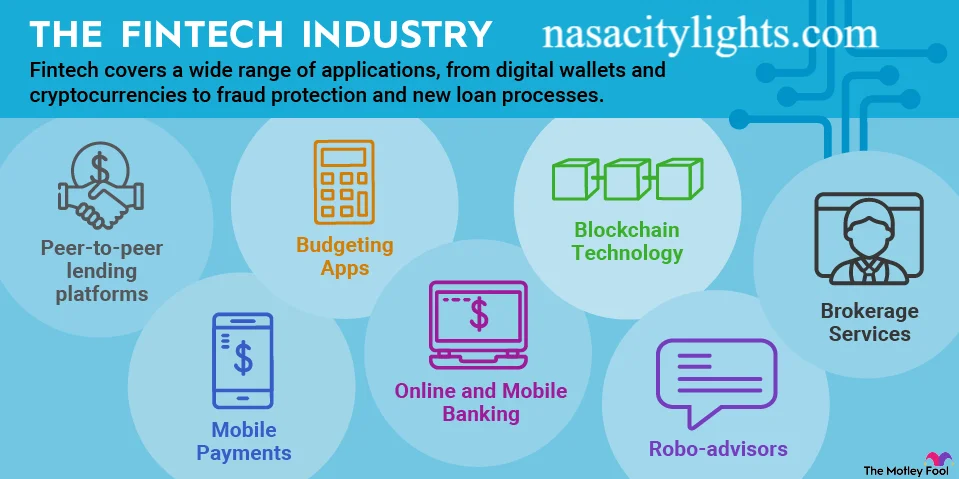
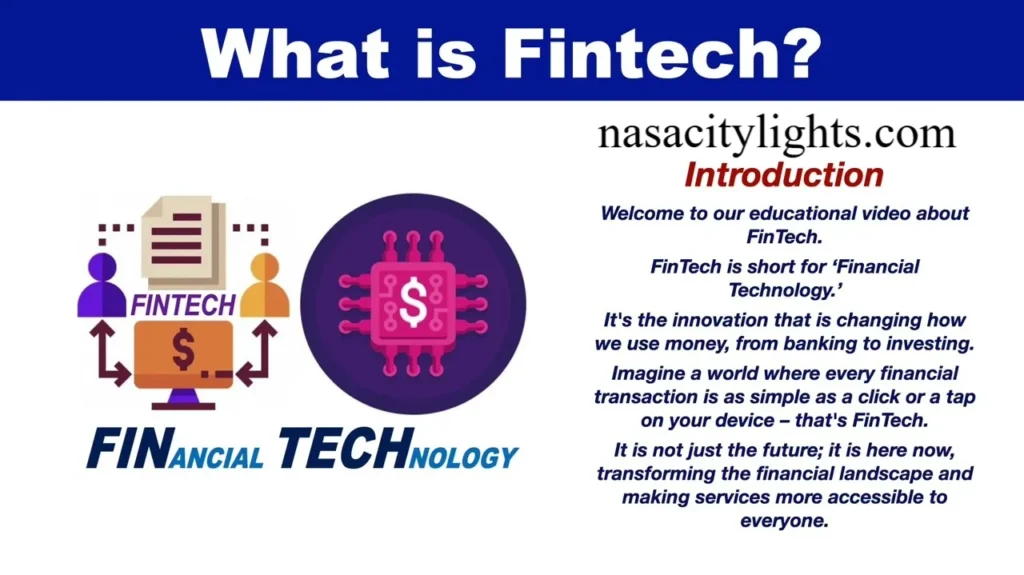
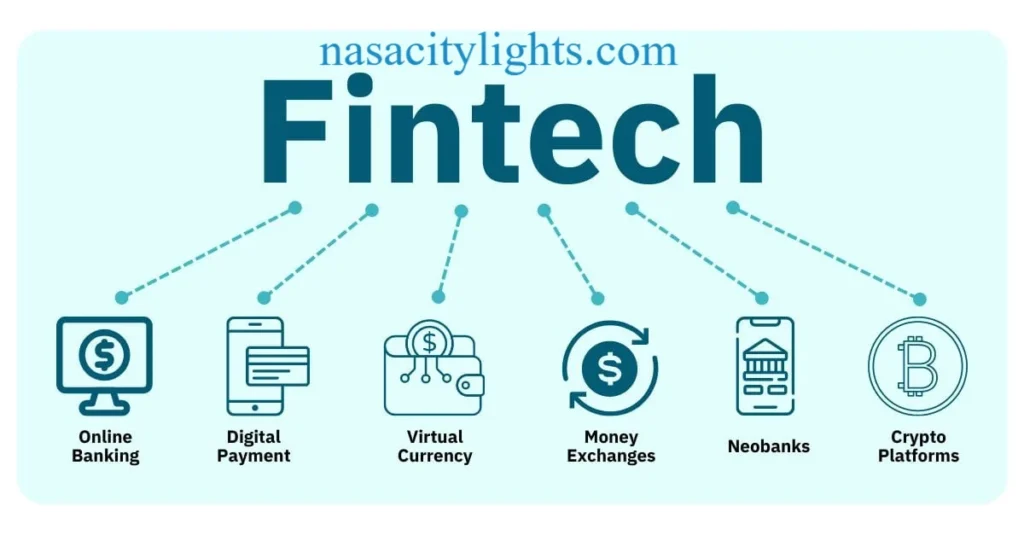
Fintech is short for financial technology, meaning the use of technology to improve, automate, or create financial products and services. It includes everything from mobile banking and digital payments to online lending, investment apps, artificial intelligence, blockchain, and automated financial services.
The World Bank describes fintech as a broad technology-driven transformation of financial services that can create new business models, applications, processes, and products.
Today, fintech affects how people pay bills, borrow money, invest, manage budgets, buy insurance, and interact with financial institutions. It also helps businesses automate financial operations and allows financial companies to use data more effectively.
What Is Fintech in Simple Terms?
Fintech is technology used to make financial services more accessible, convenient, efficient, and automated.
For example, when you transfer money through a mobile app instead of visiting a bank branch, you are using a fintech-enabled service. When an investment platform uses algorithms to build a portfolio, that is another example of fintech.
Fintech can involve:
- Mobile and online banking
- Digital payments and payment processing
- Digital wallets
- Online lending
- Investment and trading platforms
- Robo advisors
- Personal finance applications
- Cryptocurrency and digital assets
- Insurance technology, or insurtech
- Regulatory technology, or RegTech
- Artificial intelligence and machine learning
- Fraud detection and transaction monitoring
- Financial automation
Fintech is therefore much broader than simply banking apps. It represents the continuing use of digital technology across the financial ecosystem.
How Did Fintech Develop?
Fintech did not appear suddenly with smartphones. Financial institutions have used technology for decades, but the internet, cloud computing, smartphones, APIs, artificial intelligence, and advanced data analytics dramatically expanded what technology could do in finance.
A useful way to understand its development is through three broad stages.
FinTech 1.0: Financial Infrastructure
The earliest stage focused heavily on technology supporting financial infrastructure.
Examples included:
- Electronic payment systems
- ATMs
- Credit cards
- Electronic trading
- Mainframe computing
- Telecommunications networks
The technology was often invisible to consumers but fundamentally changed how financial institutions processed transactions and information.
FinTech 2.0: Digital Financial Services
The second stage brought technology directly to consumers.
Internet banking, online payments, digital brokerage services, and online lending became increasingly important. Customers could access financial services without visiting a physical branch.
This period helped establish modern digital banking, online financial platforms, and electronic payments.
FinTech 3.0: Platforms, Data and Emerging Technology
The newer fintech environment combines financial services with technologies such as cloud computing, APIs, artificial intelligence, machine learning, blockchain, digital identity, and mobile technology.
The result is a more interconnected fintech ecosystem involving banks, technology companies, startups, payment providers, insurers, investment platforms, and regulators.
The World Bank notes that fintech now incorporates technologies including cloud services, machine learning, artificial intelligence, data analytics, and distributed ledger technology.
What Are the Main Types of Fintech?
Fintech covers many different financial activities rather than one specific product.
| Fintech Area | What It Does |
|---|---|
| Digital banking | Provides banking services through digital channels |
| Digital payments | Enables electronic transactions and money transfers |
| Digital wallets | Stores payment information and electronic funds digitally |
| Online lending | Connects borrowers with lenders through digital platforms |
| Investment apps | Lets users manage investments through applications |
| Robo advisors | Uses algorithms to provide automated investment guidance |
| Insurtech | Applies technology to insurance products and operations |
| RegTech | Uses technology for compliance and regulatory processes |
| Cryptocurrency | Supports digital assets and blockchain-based transactions |
| Personal finance apps | Helps users budget, save, and monitor finances |
These categories often overlap. For example, a single fintech platform may provide payments, banking, budgeting, lending, and investment services.
How Does Fintech Work?
Fintech works by combining financial services with software, data, digital infrastructure, and automated processes.
A simplified fintech transaction may work like this:
- A customer opens a financial application.
- The application securely verifies the customer’s identity.
- APIs or other systems connect the application with financial institutions or payment networks.
- Financial data is processed through software and databases.
- Algorithms may evaluate the transaction or financial information.
- Security systems monitor for suspicious activity.
- The transaction is completed electronically.
- The customer receives confirmation through the application.
Behind the simple interface can be sophisticated technologies such as cloud computing, artificial intelligence, encryption, APIs, machine learning, and automated decision systems.
Real-World Examples of Fintech
Fintech is already part of everyday financial activity.
Mobile Banking
Mobile banking applications allow customers to check balances, transfer funds, deposit checks, pay bills, and manage accounts from smartphones.
Digital Payments
Payment technology allows individuals and businesses to make electronic payments without exchanging physical cash. Digital payment platforms can support online purchases, transfers, recurring payments, and business transactions.
Digital Wallets
Digital wallets allow users to store payment credentials or electronic value on a smartphone or other digital device. They can simplify purchases and money transfers.
Online Lending
Fintech platforms can streamline consumer lending and business lending by allowing customers to apply online and by using automated systems to process information.
Some platforms also use alternative data and financial algorithms when assessing potential borrowers, although lending decisions remain subject to applicable laws and risk controls.
Investment Apps and Robo Advisors
Investment platforms allow individuals to monitor portfolios, trade assets, or receive automated investment advice. Robo advisors typically use algorithms to help construct and manage portfolios based on information supplied by the customer.
Cryptocurrency and Blockchain
Blockchain is a type of distributed ledger technology that can record transactions across a network. Cryptocurrency systems such as Bitcoin and Ethereum use blockchain-related technologies, while smart contracts can automate certain digital transactions.
However, cryptocurrency represents only one part of fintech. Fintech existed before cryptocurrency and includes many traditional financial services delivered or improved through technology.
What Technologies Are Used in Fintech?
Modern fintech companies can use a wide range of technologies.
Artificial Intelligence and Machine Learning
AI and machine learning can analyze large amounts of financial data and identify patterns. Applications include fraud detection, customer service chatbots, risk assessment, transaction monitoring, and personalized financial services.
APIs
Application programming interfaces allow different software systems to communicate and exchange information. APIs are particularly important in open banking and connected financial ecosystems. The World Bank identifies payment, data, ecosystem-expansion, and consent-and-identity APIs among important digital financial services applications.
Cloud Technology
Cloud infrastructure can provide financial companies with scalable computing, storage, and software capabilities without requiring every system to operate entirely on traditional on-premises infrastructure.
Blockchain
Blockchain and other distributed ledger technologies can support digital assets, transaction records, tokenized assets, and smart-contract applications.
Data Analytics
Predictive analytics and behavioral analytics can help financial companies understand customer activity, identify risks, personalize products, and detect potentially fraudulent transactions.
What Is RegTech?
RegTech, or regulatory technology, is the use of technology to make regulatory compliance, reporting, and risk management more efficient.
The Bank for International Settlements describes RegTech as a subset of fintech focused on helping financial firms meet regulatory and compliance requirements more effectively.
RegTech can support activities such as:
- Know Your Customer (KYC)
- Anti-money laundering (AML)
- Transaction monitoring
- Regulatory reporting
- Risk management
- Fraud prevention
- Compliance monitoring
- Identity verification
For example, a financial institution may use automated software to monitor thousands of transactions and flag unusual activity for further review.
Fintech vs. RegTech: What Is the Difference?
The simplest distinction is scope.
Fintech focuses broadly on improving or transforming financial products and services.
RegTech focuses specifically on technology that helps regulated organizations manage compliance and regulatory obligations.
For example:
- A mobile payment application is fintech.
- An automated KYC verification system can be RegTech.
- An investment platform is fintech.
- Software that monitors investment activity for regulatory violations can be RegTech.
RegTech is therefore best understood as a specialized area within the wider fintech ecosystem.
How Does Fintech Improve Financial Services?
Fintech can improve financial services in several ways.
Greater Convenience
Customers can access many services through smartphones and websites instead of relying entirely on physical branches.
Faster Transactions
Digital systems can process payments and financial information quickly, reducing reliance on manual processes.
Lower Operating Costs
Automation and digital infrastructure can reduce certain administrative and transaction costs. The World Bank notes that digital financial services powered by fintech can improve efficiency, speed, security, and transparency.
Financial Inclusion
One of fintech’s most important potential benefits is expanding access to financial services.
Digital platforms can reach underserved consumers and businesses that may face geographic, cost, or infrastructure barriers. The World Bank specifically identifies fintech-enabled digital financial services as a tool for improving financial inclusion.
Personalization
Data analytics and machine learning can help companies design financial products around customer behavior and needs.
What Are the Risks of Fintech?
Fintech creates opportunities, but it also introduces risks.
Important concerns include:
- Cybersecurity attacks
- Data privacy
- Identity theft
- Fraud
- Algorithmic errors
- Consumer protection
- Regulatory uncertainty
- Operational failures
- Technology dependence
- Predatory lending
- Unequal access to digital technology
The World Bank highlights cybersecurity, privacy, unequal access, and consumer risks among the challenges associated with digital financial services.
This means fintech innovation needs strong financial security, responsible product design, regulatory compliance, and effective risk management.
Fintech Regulation in the United States
Fintech companies do not operate in a regulatory vacuum. The rules that apply depend on the product, business model, activities, and jurisdictions involved.
A fintech business providing payments, lending, banking-related services, securities products, or other financial activities may interact with different federal and state regulatory frameworks.
This is one reason compliance technology and RegTech have become increasingly important. As financial services become more digital, companies need systems capable of monitoring transactions, managing customer information, meeting KYC and AML requirements, and producing regulatory reports.
Regulators around the world have also experimented with regulatory sandboxes, which allow certain innovative financial products or business models to be tested within controlled regulatory environments. The exact rules and availability of such programs vary by jurisdiction.
How Do Fintech Companies Make Money?
Fintech companies use different revenue models depending on the services they provide.
Common models include:
- Transaction fees
- Subscription fees
- Interchange revenue
- Interest income
- Lending fees
- Asset-management fees
- Premium financial products
- Software licensing
- Business-to-business service fees
- Foreign-exchange spreads
- Brokerage or trading fees
For example, a payment company may earn revenue from processing transactions, while an investment platform may generate revenue through account fees, asset-management services, or other permitted sources.
The important point is that there is no single fintech business model. Revenue depends on the product, customers, regulatory structure, and market.
Fintech in Developed and Developing Economies
Fintech is important in both developed and developing economies, but its role can differ.
In developed markets, fintech often competes with or integrates into established financial institutions through digital banking, payment technology, wealth management, lending, and financial automation.
In developing economies, mobile payments and digital financial services can help overcome limited physical banking infrastructure and reach underserved or unbanked populations.
The World Bank says digital financial services can help address barriers to financial access and provide more convenient, affordable services to underserved groups.
What Is the Future of Fintech?
The future of fintech is likely to involve deeper integration between financial institutions and technology companies rather than technology completely replacing traditional finance.
Several areas deserve attention:
- Artificial intelligence in financial services
- Real-time payments
- Open banking
- Digital identity
- Embedded finance
- Automated compliance
- Fraud detection
- Cloud-based financial infrastructure
- Digital assets
- Financial automation
- Personalized financial products
AI may become particularly important because financial institutions have enormous quantities of data that can support fraud prevention, customer service, risk analysis, and automation.
At the same time, innovation will need to be balanced with cybersecurity, consumer protection, data privacy, and financial stability.
Final Takeaway
So, what is fintech? Fintech is the use of technology to improve, automate, or transform financial services. It covers digital banking, payments, lending, investing, insurance, cryptocurrency, financial software, RegTech, and many other applications.
Its biggest value is not simply replacing traditional financial services with apps. The broader transformation is about making financial products faster, more accessible, data-driven, automated, and potentially more inclusive.
For consumers, fintech can make everyday financial tasks easier. For businesses, it can reduce manual work and create new products. For financial institutions, it can improve efficiency and customer experiences. For regulators, technologies such as RegTech can help manage increasingly complex digital financial systems.
The strongest fintech businesses will likely be those that combine useful innovation with security, transparency, responsible data use, and regulatory compliance.
Frequently Asked Questions
What is FinTech in simple terms?
Fintech means using technology to provide, improve, or automate financial services. Examples include mobile banking, digital payments, investment apps, online lending, digital wallets, and automated financial tools.
What is RegTech in financial services?
RegTech is technology designed to help financial companies handle regulatory compliance, reporting, risk management, KYC, AML, transaction monitoring, and related requirements more efficiently.
What is the difference between FinTech and RegTech?
Fintech is the broader use of technology across financial services. RegTech is a specialized area focused on regulatory compliance and risk-management activities within financial services.
What are common examples of FinTech?
Common examples include mobile banking apps, digital wallets, online payment platforms, peer-to-peer lending, investment apps, robo advisors, digital insurance platforms, cryptocurrency services, and personal finance apps.
How does FinTech improve financial services?
Fintech can make financial services faster, more convenient, automated, and accessible. It can also help businesses reduce manual processes and provide more personalized services.
How does RegTech help financial companies?
RegTech can automate compliance tasks such as KYC checks, transaction monitoring, regulatory reporting, fraud detection, and risk management, helping organizations manage complex regulatory requirements.
What technologies are used in FinTech?
Fintech can use artificial intelligence, machine learning, cloud technology, APIs, advanced analytics, blockchain, distributed ledger technology, digital identity systems, automation, and cybersecurity technologies.
What is a regulatory sandbox?
A regulatory sandbox is a controlled environment in which certain innovative financial products or business models can be tested under regulatory oversight. The availability and rules of sandbox programs differ by jurisdiction.
How do FinTech companies make money?
Fintech companies can earn money through transaction fees, subscriptions, lending income, asset-management fees, software fees, interchange revenue, brokerage fees, foreign-exchange spreads, and other business models.
Does FinTech only apply to banking?
No. Fintech extends across payments, lending, investing, insurance, wealth management, financial software, cryptocurrency, compliance, personal finance, and other areas of the financial industry.
Author Bio: Hamid Ali is a business and financial technology writer focused on fintech, digital banking, financial innovation, and emerging technologies. He creates clear, research-driven content that helps readers understand complex financial topics and technology trends.
Author Name: Hamid Ali
Email: johanharwen314@gmail.com
Also Read: