
Blood Moon Eclipse: Stunning Sky Show You Cannot Miss in 2026
Introduction
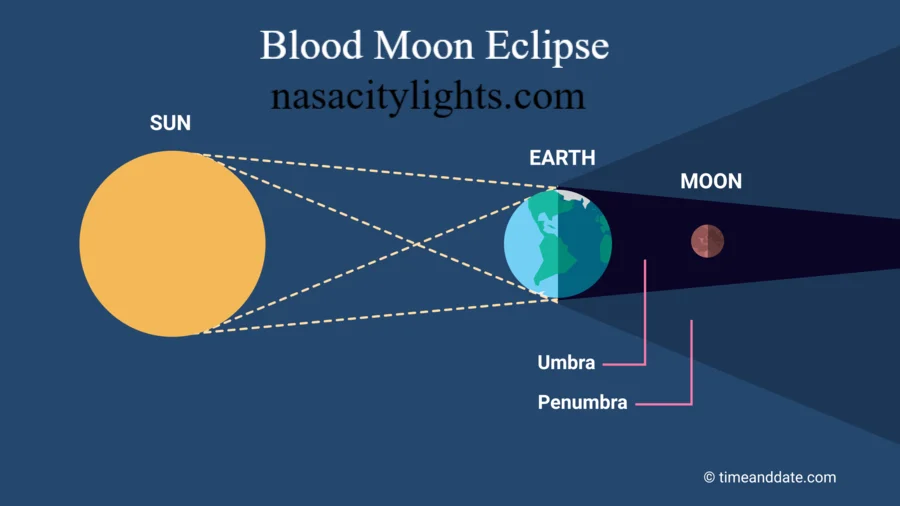
Have you ever looked up at night and seen the Moon glowing a strange, deep red? That is a blood moon eclipse, and it is one of the most beautiful things you will ever see in the sky. It looks almost unreal, like something out of a movie, yet it is completely natural. A blood moon eclipse happens when Earth passes between the Sun and the Moon, and our planet’s shadow covers the Moon completely.
Many people confuse it with a solar eclipse or think it is dangerous to watch. It is neither. In this guide, you will learn everything about the blood moon eclipse, from why it turns red to when you can see the next one from the United States. We will also cover viewing tips, photography tricks, and answers to the most common questions people search for online.
By the end, you will know exactly what to expect and how to enjoy this rare cosmic event with your own eyes.
What Is a Blood Moon Eclipse?
A blood moon eclipse is simply the nickname for a total lunar eclipse. It happens when the Sun, Earth, and Moon line up perfectly, with Earth sitting right in the middle. As the Moon moves into Earth’s shadow, it does not disappear completely. Instead, it turns a deep red or copper color.
This reddish glow is why people call it a blood moon. It is not blood related at all. It is just a nickname that stuck because of the dramatic color change.
A blood moon eclipse only happens during a full moon, and it can only occur when the alignment of the Sun, Earth, and Moon is exact. That is why we do not see one every month.
Why Does the Moon Turn Red During a Lunar Eclipse?
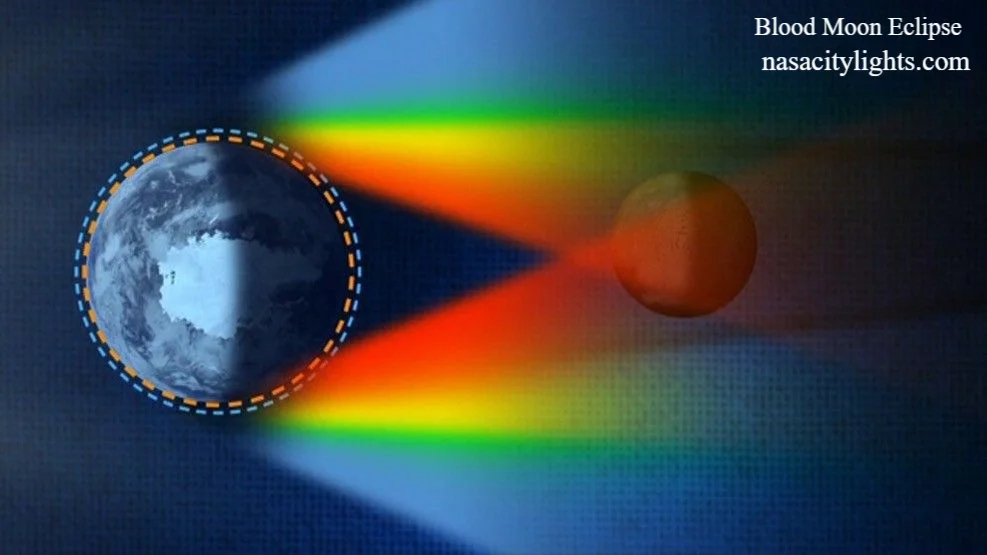
This is the question everyone asks first, and the answer is fascinating. When Earth blocks direct sunlight from reaching the Moon, you would expect the Moon to go completely dark. Instead, sunlight bends around Earth’s atmosphere and reaches the Moon anyway.
As sunlight passes through our atmosphere, shorter wavelengths like blue and violet scatter away. Longer wavelengths, mainly red and orange, pass through and bend toward the Moon. This is the same reason sunsets look red.
So essentially, you are seeing every sunrise and sunset on Earth reflected onto the Moon at once. That is a pretty amazing thought.
Factors That Affect the Shade of Red
- Amount of dust and clouds in Earth’s atmosphere
- Volcanic activity, which can make the Moon appear darker
- Position of the Moon within Earth’s shadow
- Pollution levels in the atmosphere at that time
If the atmosphere is clear, you get a bright orange or copper Moon. If there is more dust or pollution, the Moon can look darker, almost brownish red.
What Causes a Total Lunar Eclipse?
A total lunar eclipse happens when the Moon passes completely through Earth’s umbra, which is the darkest part of Earth’s shadow. This only happens during a full moon phase.
The Moon’s orbit is slightly tilted compared to Earth’s orbit around the Sun. Because of this tilt, a perfect lineup does not happen every month. It only happens a few times a year, and total lunar eclipses are even rarer than partial ones.
Here is a simple breakdown of the stages:
- Penumbral phase, where the Moon enters Earth’s outer shadow and dims slightly
- Partial phase, where a bite appears to be taken out of the Moon
- Totality, where the entire Moon turns red
- Reverse partial and penumbral phases as the Moon exits the shadow
What Is the Difference Between a Blood Moon and a Lunar Eclipse?
This confuses a lot of people, so let us clear it up. A lunar eclipse is the general event where Earth’s shadow falls on the Moon. A blood moon is simply what happens during the totality stage of a total lunar eclipse, when the Moon turns red.
In short, every blood moon is a lunar eclipse, but not every lunar eclipse produces a blood moon. Partial and penumbral eclipses usually do not turn the Moon fully red.
Blood Moon vs Solar Eclipse
People often mix these two up, so here is a quick comparison.
- A blood moon eclipse happens at night during a full moon, when Earth sits between the Sun and Moon
- A solar eclipse happens during the day, when the Moon sits between the Sun and Earth
- You need no eye protection to watch a blood moon eclipse
- You always need proper solar filters to watch a solar eclipse safely
They are opposite events, and only one of them is safe to view directly without any equipment.
When Is the Next Blood Moon?
As of now, the most notable upcoming lunar eclipse is a very deep partial lunar eclipse on August 27 to 28, 2026. Over 96 percent of the Moon will pass through Earth’s darkest shadow, so it will look almost like a full blood moon, with a rusty red glow across nearly the entire surface. This eclipse will be visible across North America, South America, Europe, and Africa.
The next true total lunar eclipse, where the entire Moon turns red, will happen on December 31, 2028, into January 1, 2029, often called the New Year’s blood moon eclipse.
If you missed the March 2026 total lunar eclipse, do not worry. The August 2026 event is your best chance to see something close to a full blood moon eclipse until that New Year’s event in 2028.
What Time Is the Blood Moon Eclipse?
Exact timing depends on your location and time zone. For the August 27 to 28, 2026 event, the deepest part of the eclipse happens late at night into the early morning hours across the Americas. It is always best to check a reliable astronomy source or app closer to the date for exact local times, since timing shifts slightly depending on where you live.
Where Can You See the Blood Moon?
Unlike a solar eclipse, a lunar eclipse is visible from an entire hemisphere at once, as long as it is nighttime in your location and the sky is clear.
For the August 2026 event, the best viewing regions include:
- North America, including the United States and Canada
- South America
- Parts of Europe
- Parts of Africa
Blood Moon Eclipse Viewing Guide for the United States
If you live in the United States, you are in luck. You do not need a telescope, special glasses, or any equipment at all. Just find a spot with a clear view of the sky, away from bright city lights if possible.
Best Places to Watch a Blood Moon in the USA
- Open fields or parks away from streetlights
- National parks with dark sky certification, like Big Bend or Death Valley
- Rooftops or balconies with a clear eastern or western horizon
- Beaches or lakesides with wide open sky views
Checking the weather forecast a day before is smart. Clouds are the biggest thing that can ruin your view of a blood moon eclipse.
Can You See a Blood Moon With the Naked Eye?
Yes, absolutely. This is one of the best things about a blood moon eclipse. You do not need any equipment. Your naked eye is enough to enjoy the full show. Binoculars or a small telescope can enhance the details, but they are not required.
Is a Blood Moon Eclipse Safe to Watch?
Yes, completely safe. Unlike a solar eclipse, which can damage your eyes if you look directly at the Sun, a lunar eclipse involves reflected sunlight only. There is no danger at all in staring at a blood moon for as long as you want.
How Long Does a Blood Moon Last?
The full eclipse process, from start to finish, can take a few hours. However, the actual blood moon phase, called totality, usually lasts around one hour, give or take a few minutes depending on the specific eclipse. The March 2026 total lunar eclipse had a totality period of about 58 minutes, which is a good average example.
Blood Moon Photography Tips
Want to capture the moment? Here are some simple tips that actually work.
- Use a tripod to avoid blurry shots, since exposure times are longer at night
- Set your camera to manual mode for better control over exposure
- Use a zoom lens or telephoto lens if you want close up detail
- Lower your ISO slightly during totality since the Moon becomes dimmer
- Take test shots early and adjust settings as the eclipse progresses
I always recommend arriving early and testing your settings before totality begins. That way, you are not fumbling with your camera during the best part of the show.
Blood Moon Eclipse Explained in Simple Terms
To put it simply, a blood moon eclipse is Earth blocking sunlight from reaching the Moon, while our atmosphere bends leftover red light onto the Moon’s surface. It is safe, beautiful, and visible without any special equipment. It happens a few times each decade and is worth planning around if you love stargazing.
Final Thoughts
A blood moon eclipse is one of nature’s most stunning free shows. It needs no tickets, no equipment, and no travel in most cases. All you need is a clear sky and a bit of patience. Whether you catch the deep partial eclipse in August 2026 or wait for the full blood moon in late 2028, the experience is always worth it.
Have you ever watched a blood moon eclipse before? Mark your calendar, set a reminder, and share this guide with someone who loves the night sky as much as you do.
Frequently Asked Questions
1. What is a blood moon eclipse? It is a total lunar eclipse where Earth’s shadow makes the Moon appear red or copper colored.
2. Why does the Moon turn red during an eclipse? Sunlight bends through Earth’s atmosphere, and only red and orange wavelengths reach the Moon’s surface.
3. Is it safe to look at a blood moon eclipse directly? Yes, it is completely safe. No glasses or filters are needed, unlike a solar eclipse.
4. How often does a blood moon happen? Total lunar eclipses happen a few times each decade, though partial and penumbral eclipses occur more often.
5. Can I see a blood moon eclipse without a telescope? Yes, it is fully visible with the naked eye. A telescope or binoculars only add extra detail.
6. How long does the red color last during a blood moon? Totality typically lasts around 30 to 90 minutes, depending on the specific eclipse.
7. What is the difference between a blood moon and a supermoon? A blood moon relates to an eclipse turning the Moon red, while a supermoon relates to the Moon being closer to Earth and appearing larger. They are unrelated events, though they can occasionally happen close together.
8. Where is the best place to watch a blood moon in the USA? Anywhere with a clear, dark sky works well, including national parks, open fields, and quiet rooftops.
nasacitylights.com
Author Name: Hamid Ali
Email: johanharwen314@gmail.com
About the Author: Hamid Ali is a passionate science writer who loves breaking down complex space events into simple, easy to understand guides. He enjoys stargazing and helping readers get excited about the wonders happening right above their heads.