
Carnivorous Plant Terrarium: The Ultimate Beginner Guide in 2026
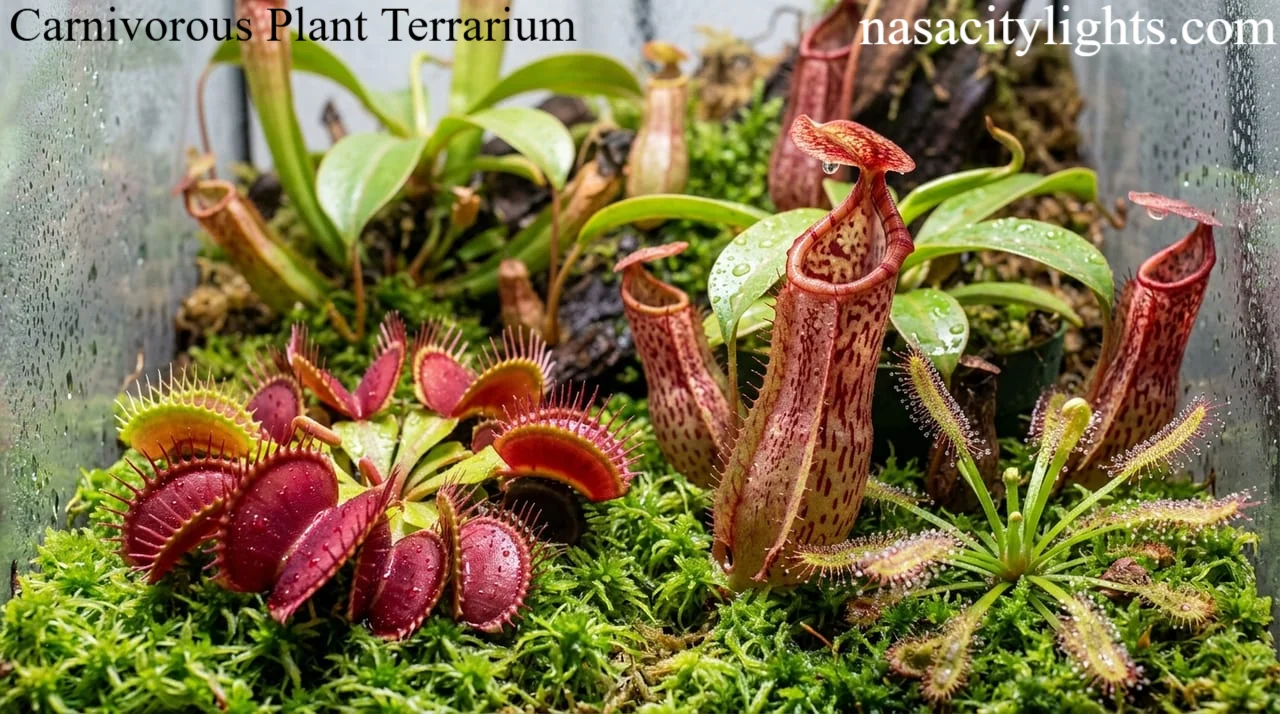
Introduction
If you have ever killed a Venus flytrap within a month of buying it, you are not alone. Most beginners lose their first carnivorous plant terrarium because they treat it like a regular houseplant. These plants are not regular houseplants. They evolved in swampy, nutrient poor bogs where the soil offers almost nothing, so they learned to eat bugs instead.
Building a proper carnivorous plant terrarium is not hard once you understand what these plants actually need. In this guide, you will learn how to choose the right container, pick the correct substrate, water your plants the safe way, and match each species to the setup it prefers. We will also cover common mistakes, answer the questions people search for most, and help you decide whether your terrarium needs a lid at all.
By the end, you should feel confident setting up a carnivorous plant terrarium that keeps your Venus flytrap, sundew, or pitcher plant alive for years, not weeks.
What Is a Carnivorous Plant Terrarium
A carnivorous plant terrarium is simply a controlled growing space built for insect eating plants. It usually combines a glass or plastic container, a specific low nutrient substrate, and careful humidity control. The goal is to copy the natural bog environment these plants come from.
Because carnivorous plants get their nutrients from insects rather than soil, a normal potting mix will actually harm them. That single fact is the foundation of everything else in this guide.
Step by Step: How to Build a Carnivorous Plant Terrarium
Setting up your first carnivorous plant terrarium becomes much easier when you break it into stages.
1. Choose the Right Container
Pick a glass tank, a large glass jar, or a plastic terrarium box depending on your budget and the plants you want. Open topped containers suit temperate species. Enclosed containers with a lid suit tropical, humidity loving species.
2. Prepare a Nutrient Poor Substrate
Mix pure sphagnum peat moss with perlite or silica sand in roughly equal parts. Never add compost, fertilizer, or standard potting soil, since these introduce minerals that these plants cannot tolerate.
3. Add Drainage
Place a shallow layer of pure sand or LECA at the bottom if your container has no drainage hole. This prevents the roots from sitting in stagnant, oxygen poor water for too long.
4. Plant Carefully
Gently loosen the roots of your plant and settle it into the substrate at the same depth it was growing before. Press the mix around the base so the plant stands upright without extra support.
5. Water With the Right Source
Use distilled water, reverse osmosis water, or collected rainwater only. Tap water contains calcium, magnesium, and salts that slowly poison carnivorous plants over months.
6. Set Up Lighting
Place your carnivorous plant terrarium near a bright window or under a dedicated grow light for eight to twelve hours daily. Weak light causes leggy growth and poor trap color.
7. Monitor Humidity and Temperature
Most tropical species thrive between sixty and ninety percent humidity. Temperate species like Venus flytraps do fine in normal room humidity as long as the soil stays moist.
Open vs Closed Terrariums: Which One Fits Your Plants
This is one of the most searched questions about carnivorous plant terrarium setups, and the answer depends entirely on species.
Open terrariums work well for Venus flytraps and most temperate sundews. These plants actually prefer airflow and cooler winter temperatures, so a sealed environment can trap too much heat and moisture, leading to fungal problems.
Closed terrariums suit tropical pitcher plants, tropical sundews, and butterworts from humid regions. A lid or glass cover traps moisture and keeps humidity high, mimicking a rainforest floor.
A quick rule to remember: if your plant comes from a temperate bog, give it fresh air. If it comes from a tropical highland, seal it in.
Comparing Care Needs: Flytraps, Sundews, Pitcher Plants, and Butterworts
Every carnivorous plant terrarium enthusiast eventually grows more than one species, so knowing the differences matters.
Venus Flytraps These need strong direct light, consistently moist soil, and a cold winter dormancy period of three to five months. Skipping dormancy weakens the plant over a year or two and often kills it eventually.
Sundews Sundews tolerate a wider humidity range than flytraps and produce sticky dew that catches gnats and fruit flies. Most tropical sundews skip dormancy entirely and grow year round.
Tropical Pitcher Plants These vining plants love high humidity, warm temperatures, and bright indirect light. They generally suit a closed, humid carnivorous plant terrarium rather than an open desk setup.
Butterworts Butterworts have flat, sticky leaves and prefer slightly higher mineral tolerance than other carnivorous plants, though distilled water remains the safer choice. Many species also enter a small resting phase in winter.
Humidity, Airflow, Lighting, and Watering Explained
Getting these four factors right separates a thriving carnivorous plant terrarium from a struggling one.
- Humidity: Tropical species want sixty percent or higher. Temperate species tolerate normal home humidity.
- Airflow: Even closed terrariums need occasional venting to prevent mold and rot.
- Lighting: Bright light produces vivid trap colors and steady growth. Low light produces pale, floppy plants.
- Watering: Keep the substrate constantly damp using the tray method, where the pot sits in a shallow dish of distilled water.
Why Mineral Free Water and Poor Soil Actually Matter
It sounds backward at first, but carnivorous plants suffer in rich soil. Their roots evolved without the ability to filter out excess salts and minerals, so tap water or fertilizer builds up in their tissue and burns them from the inside.
A proper carnivorous plant terrarium substrate stays deliberately poor in nutrients. Sphagnum moss combined with perlite or sand holds moisture without releasing minerals, giving roots a stable, safe home while the leaves handle nutrition through captured insects instead.
A Note on Venus Flytrap Dormancy
Many beginners try to keep a closed, warm carnivorous plant terrarium running year round for convenience. Unfortunately, Venus flytraps need a genuine winter rest with cooler temperatures and reduced light. Without it, the plant slowly loses vigor and often dies within two or three growing seasons. If you want a permanently warm sealed terrarium, choose tropical sundews or pitcher plants instead of flytraps.
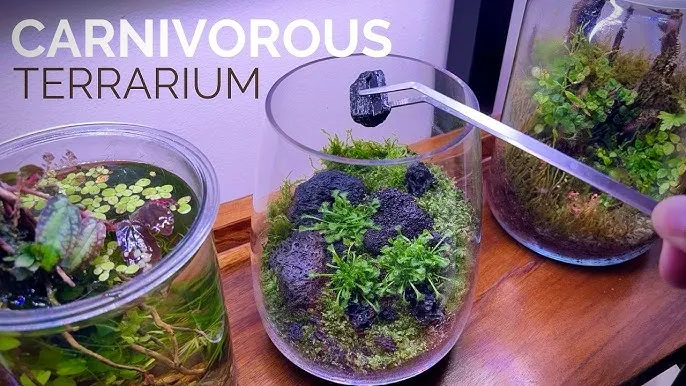
Frequently Asked Questions
Can you put a Venus flytrap in a terrarium? Yes, but an open topped terrarium works best so the plant gets airflow and can still experience a cool winter dormancy period.
What plants are best for a carnivorous terrarium? Sundews and tropical pitcher plants adapt well to enclosed setups, while Venus flytraps and temperate sundews prefer open containers with strong light.
What soil should I use? Use a mix of pure sphagnum peat moss and perlite or silica sand. Avoid regular potting soil and any fertilizer.
How often should I water a carnivorous plant terrarium? Keep the substrate constantly moist, checking every few days and topping up distilled water using the tray method so it never fully dries out.
Do carnivorous plants need insects in a terrarium? Not strictly. They photosynthesize like normal plants, but occasional insects or a tiny pinch of freeze dried bloodworms encourage healthier, faster growth.
Should a carnivorous plant terrarium have a lid? Only for tropical, humidity loving species. Temperate plants like Venus flytraps generally do better without one.
Final Thoughts
A healthy carnivorous plant terrarium comes down to matching the setup to the species, using mineral free water, and resisting the urge to add fertilizer or rich soil. Once you get these basics right, these plants become surprisingly low maintenance and endlessly fascinating to watch.
Have you tried building your own carnivorous plant terrarium yet? Share your setup with fellow plant lovers, and feel free to experiment with different species once you feel confident with the basics.
nasacitylights.com
Email: johanharwen314@gmail.com
Author Name: Hamid Ali
Author Bio: Hamid Ali is a plant enthusiast and gardening writer who enjoys exploring unusual houseplants, especially carnivorous species. He shares practical, beginner friendly growing tips drawn from years of hands on experimenting with home terrariums.